Updated 01:33 PM,Jan 31,2018
There are a few moments in life that happen only once. One of them is the chance to drive any Bugatti car. When the Veyron was introduced in 2005, George W. Bush was U.S. President, and the iPhone was still just a fleeting idea in Steve Jobs’ mind. Today, we have the Chiron. Our journalist, Gotam Sharma, had the opportunity to drive it during its global launch event in Portugal. This winter, I—Mashfiq—was given an exclusive chance to drive the same car on the streets of the United Arab Emirates, accompanied by Andy Wallace, the 1988 24 Hours of Le Mans champion, as co-driver.
We won’t bore you with technical specs and achievements of this car—we’ve already covered those extensively in our previous review. Instead, what we’ll share is our firsthand experience driving the Bugatti Chiron across our region, starting from Sheikh Zayed Road in Dubai all the way to Jebel Hafeet in Al Ain.
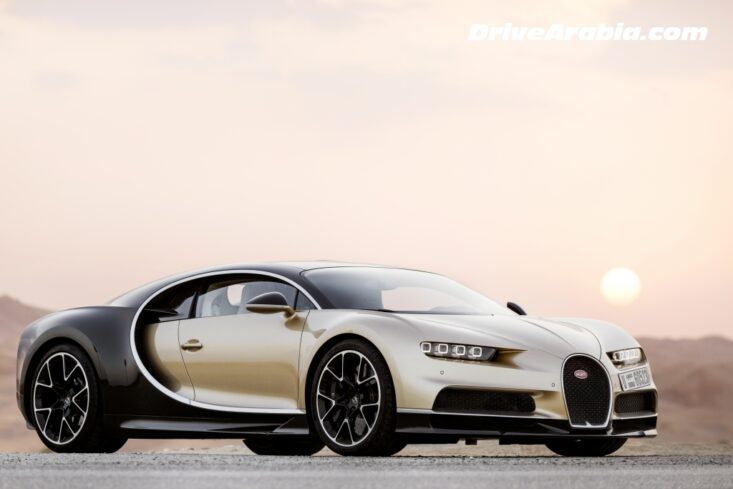
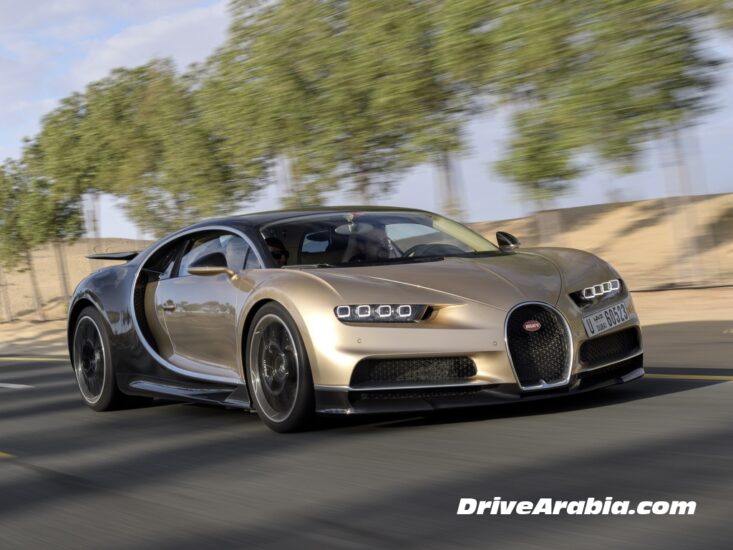
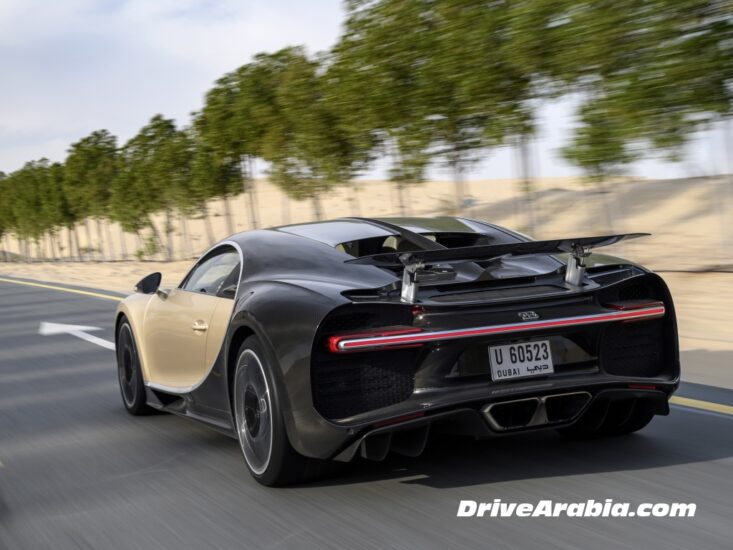
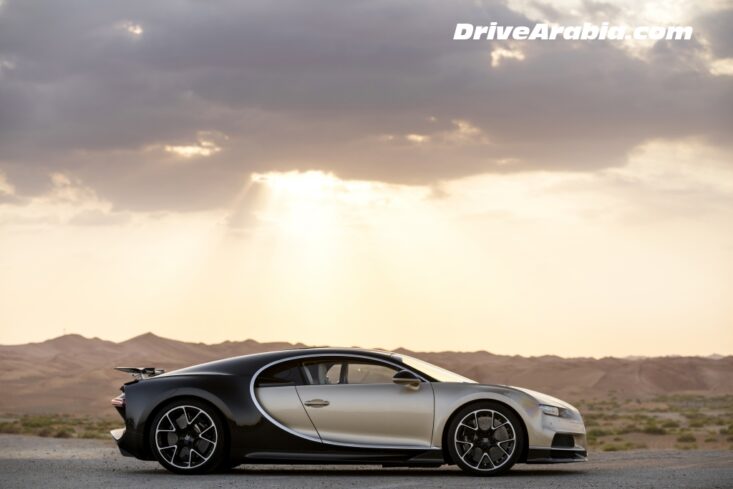
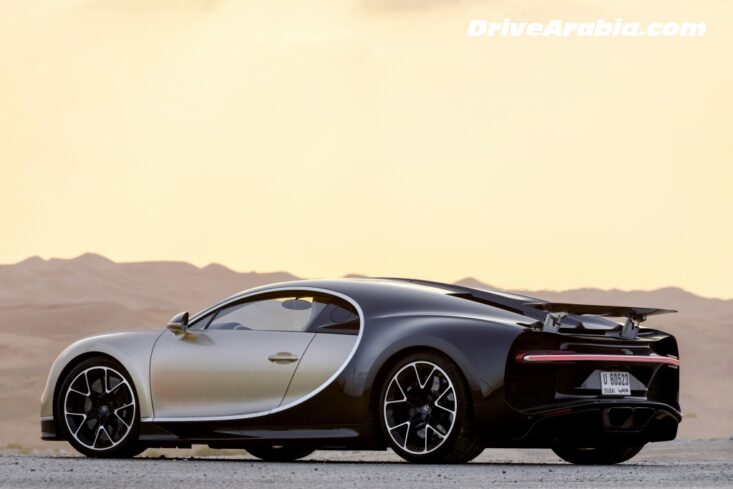
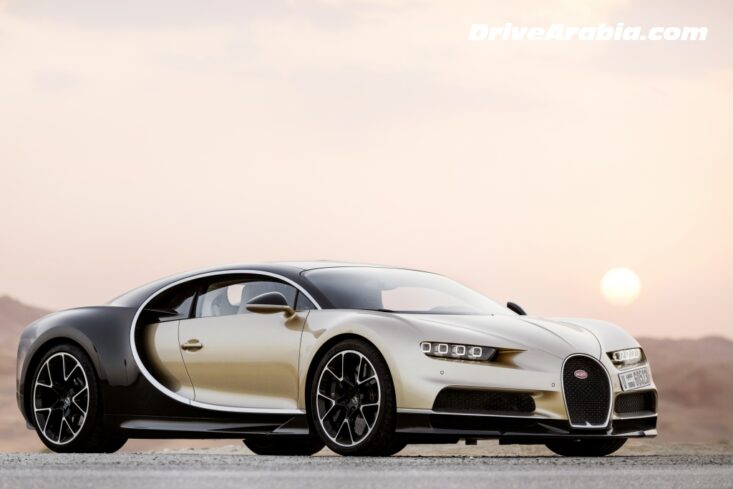
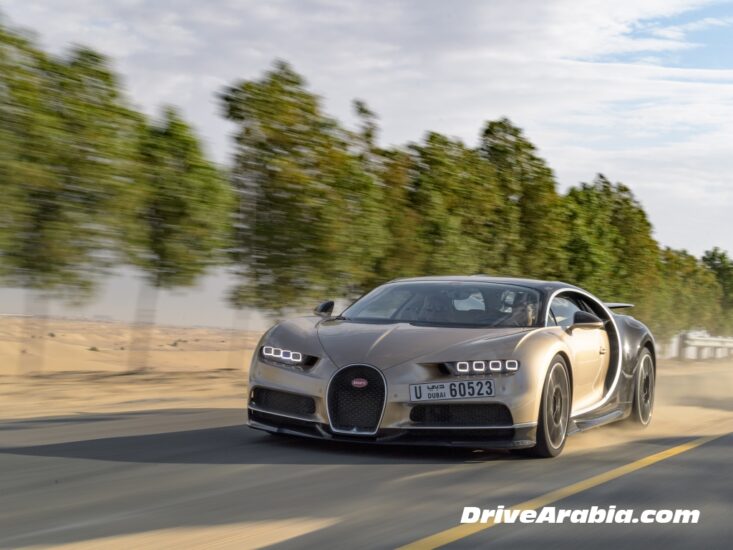
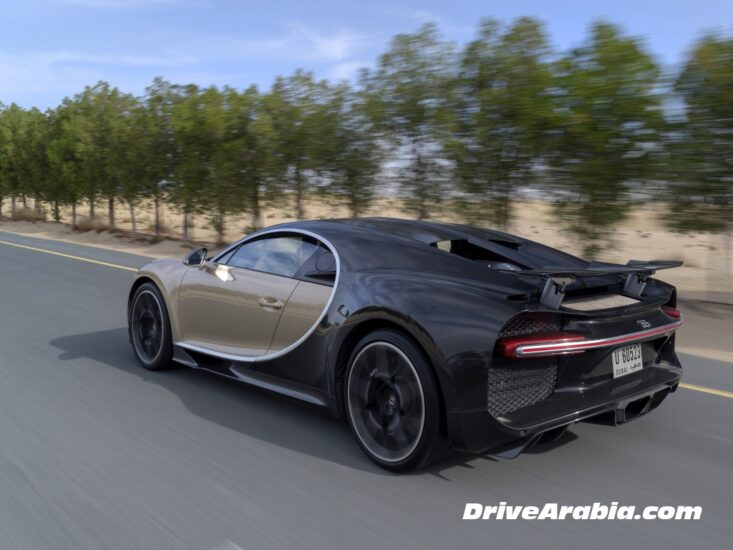
Let’s begin with the exterior. The Chiron looks stunning, unmistakably carrying the essence of Bugatti. While the Veyron wasn’t particularly beautiful at first glance, it earned admiration for its raw power—initially rated at 1,000 horsepower, later rising to 1,200 in later models. Even modern hypercars like the Ferrari LaFerrari, Porsche 918 Spyder, and McLaren P1 couldn’t surpass the Veyron’s performance. But the Chiron surpassed it with a quad-turbocharged 8-liter W12 engine producing 1,500 horsepower. Its top speed is electronically limited to 420 km/h, not because of the car’s limitations, but because no tires exist capable of handling higher speeds. In fact, the wheels must now be bonded directly to the rims to prevent the tires from spinning faster than they can safely handle. Without this precaution, the Chiron could easily exceed 460 km/h—surpassing even Koenigsegg and other recent record-breakers. Truly, the Chiron reigns supreme among hypercars today.
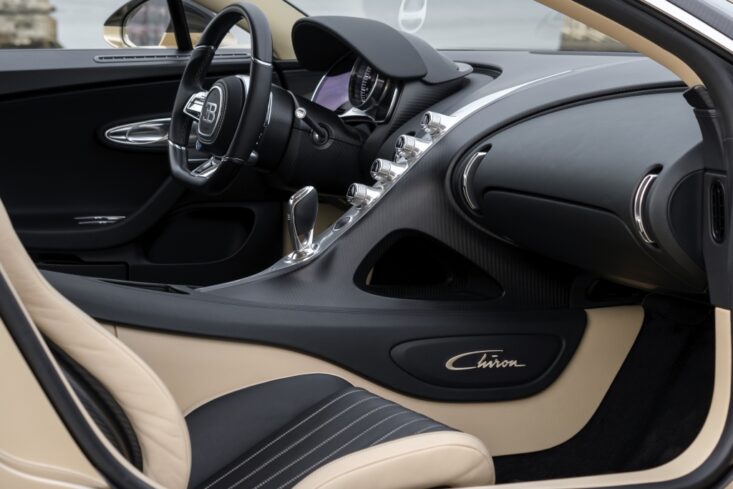
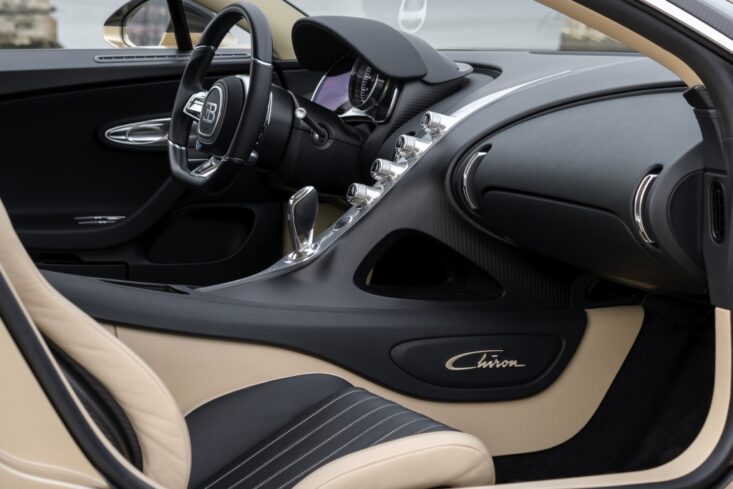
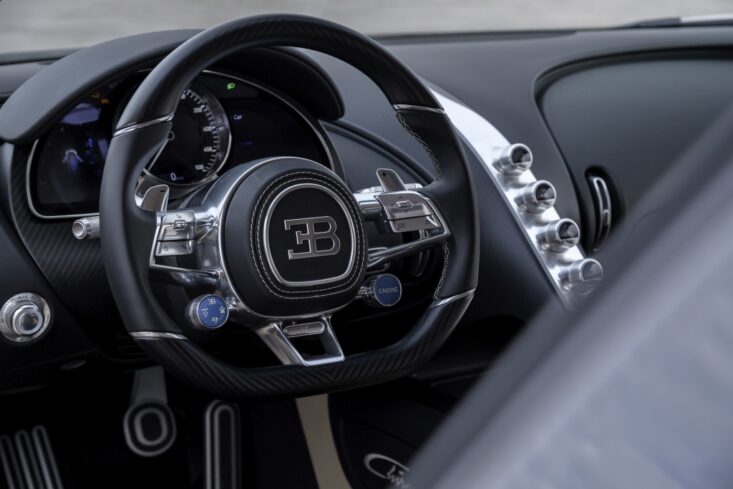
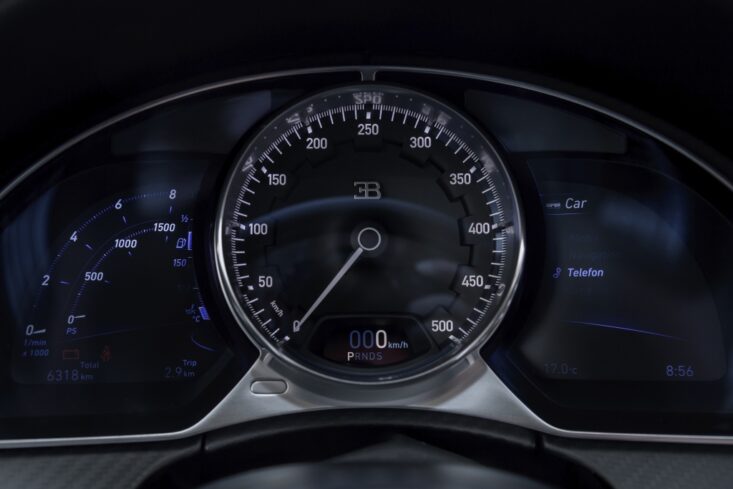
Getting in and out of the car is effortless thanks to conventional doors. At first, we took a cautious test drive alongside Andy, who shared insights about the vehicle. The interior design is mostly understated, notably lacking a central touchscreen. According to Andy, this is because the car will be produced over the next decade, and touchscreens may already feel outdated by then. Instead, there’s a smaller LCD display integrated into the instrument cluster, which also includes standard speed gauges. Three small levers along the center console allow access to various information, including settings that display the maximum speed achieved and the peak horsepower used.
When Andy exited and we switched seats, I immediately set the gear selector to ‘D’ and began driving. The experience was surprisingly calm—no fear or tension. The throttle and gear shift are incredibly sensitive and responsive. It’s easy to drive slowly without hesitation. Front visibility is excellent, while rear visibility is supported by a camera system. The ride is firm yet comfortable enough for long journeys, and it’s not worse than that of a BMW M2. The engine sound is always present—especially the massive turbo whine when pressing the accelerator—even at highway cruising speeds near idle RPM. Still, conversations remain possible without shouting.
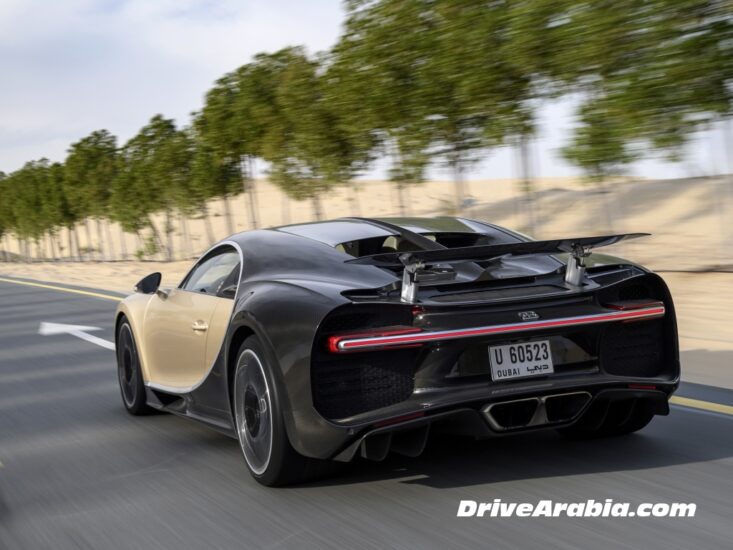
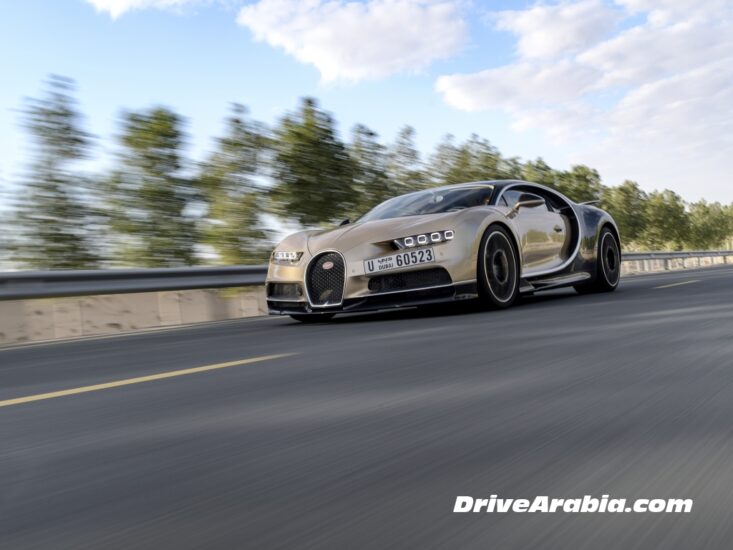
Once we reached a private road, I finally found the space to unleash the car’s full potential. I’m familiar with fast cars—Dodge SRT Hellcat, Nissan GT-R, Ferrari 812 Superfast, Lamborghini Aventador SV—I’ve driven them all. But flooring the accelerator in the Chiron, in every sense of the word, feels unlike anything else on Earth. Starting from around 80 km/h, I pressed the gas pedal fully and reached nearly 300 km/h within seconds. Accompanied by a roar resembling a jet taking off. What truly amazed me wasn’t the speed itself, but how quickly it was achieved. I held back from adding more fuel before Andy asked, because the car was still accelerating fiercely while others were already maxing out their acceleration. When I slammed the brakes fully, the car stopped swiftly and smoothly, with only mild rear-end vibrations as the rear spoiler transformed into an air brake. Then we continued toward the mountainous terrain. On the highway, it was astonishing how quickly the car accelerated from 120 km/h to 140 km/h in an instant, effortlessly overtaking other vehicles in less than a second. For distracted drivers, keeping cruise control engaged is highly recommended.
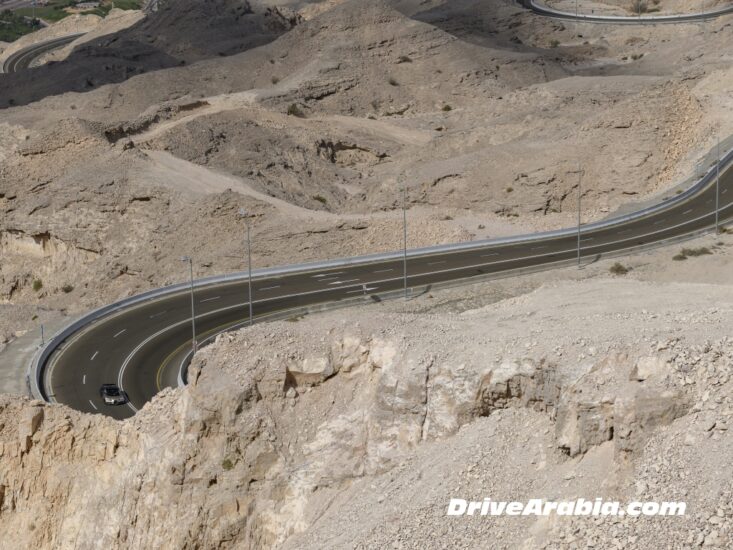
Upon reaching the mountainous region, I cautiously unleashed the car’s capabilities uphill, seeking to feel its grip and balance. There’s no need to say I wasn’t pushing it to its absolute limits—but even at moderate speeds, we were still faster than many sports cars operating at full power. Even during short straightaways followed by hard braking and sharp turns, the car handled with immense confidence. We blasted through straights at high speed, while its powerful traction gave us assurance beyond any other vehicle. All-wheel drive prevents any sliding—just smooth, precise cornering, like Point-and-Shoot. The well-weighted steering adds further assistance, making it feel like a go-kart—but 100 times faster and 1,000 times more comfortable.
Now we’ve shared our experience driving a car priced at 10 million dirhams. And here’s good news on maintenance: the Veyron required replacing all four wheels and tires every 4,000 km at a cost of 150,000 dirhams. But Chiron tires can be replaced at any local dealer without needing to replace entire wheels—so it’s significantly cheaper now! As production is limited to just 500 units, the car’s rarity is increasing, driving up its value. It’s a true win in every sense.
To read Mashfiq Hussain’s English account of the drive, click here.
Photos courtesy of Bugatti.