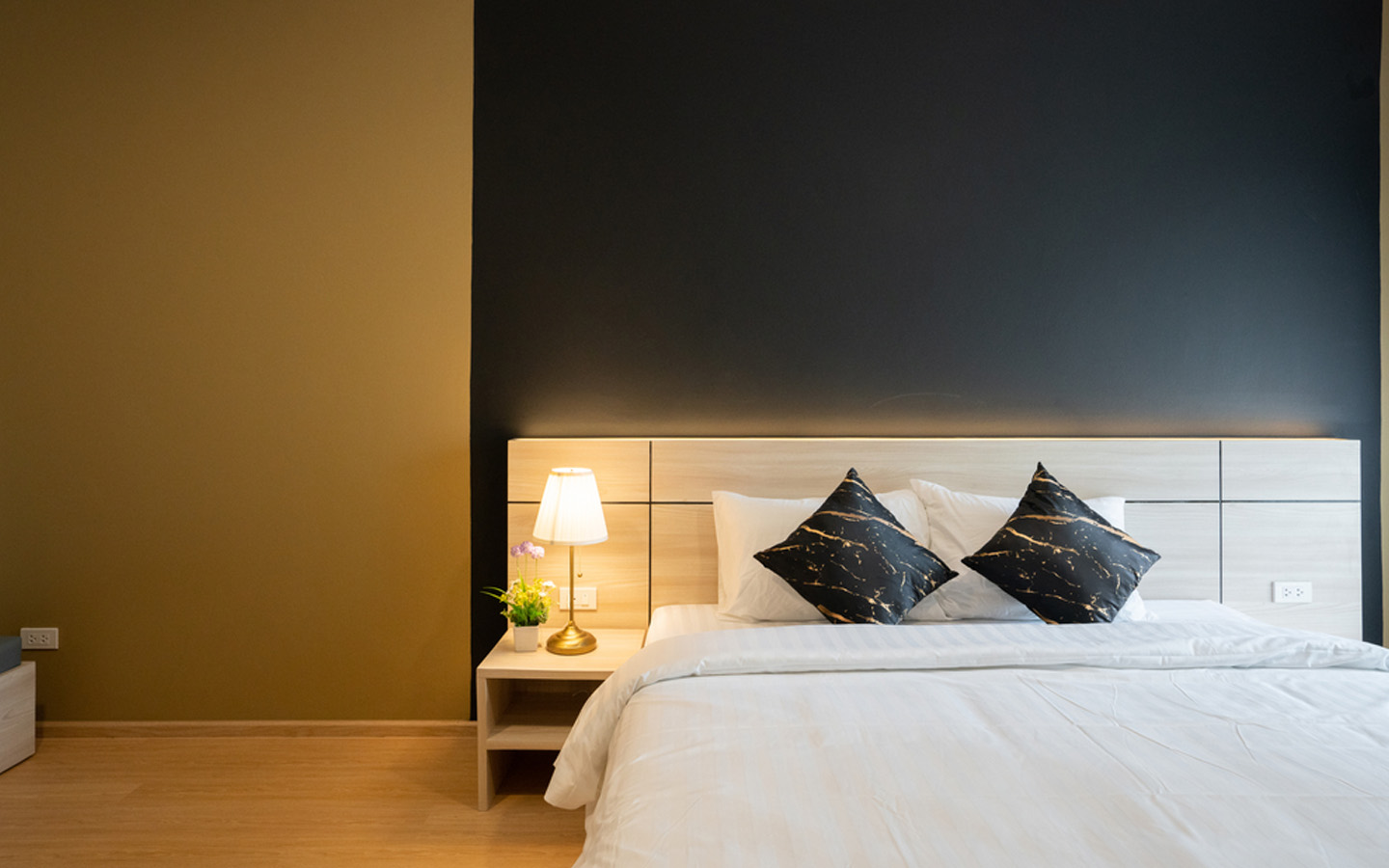
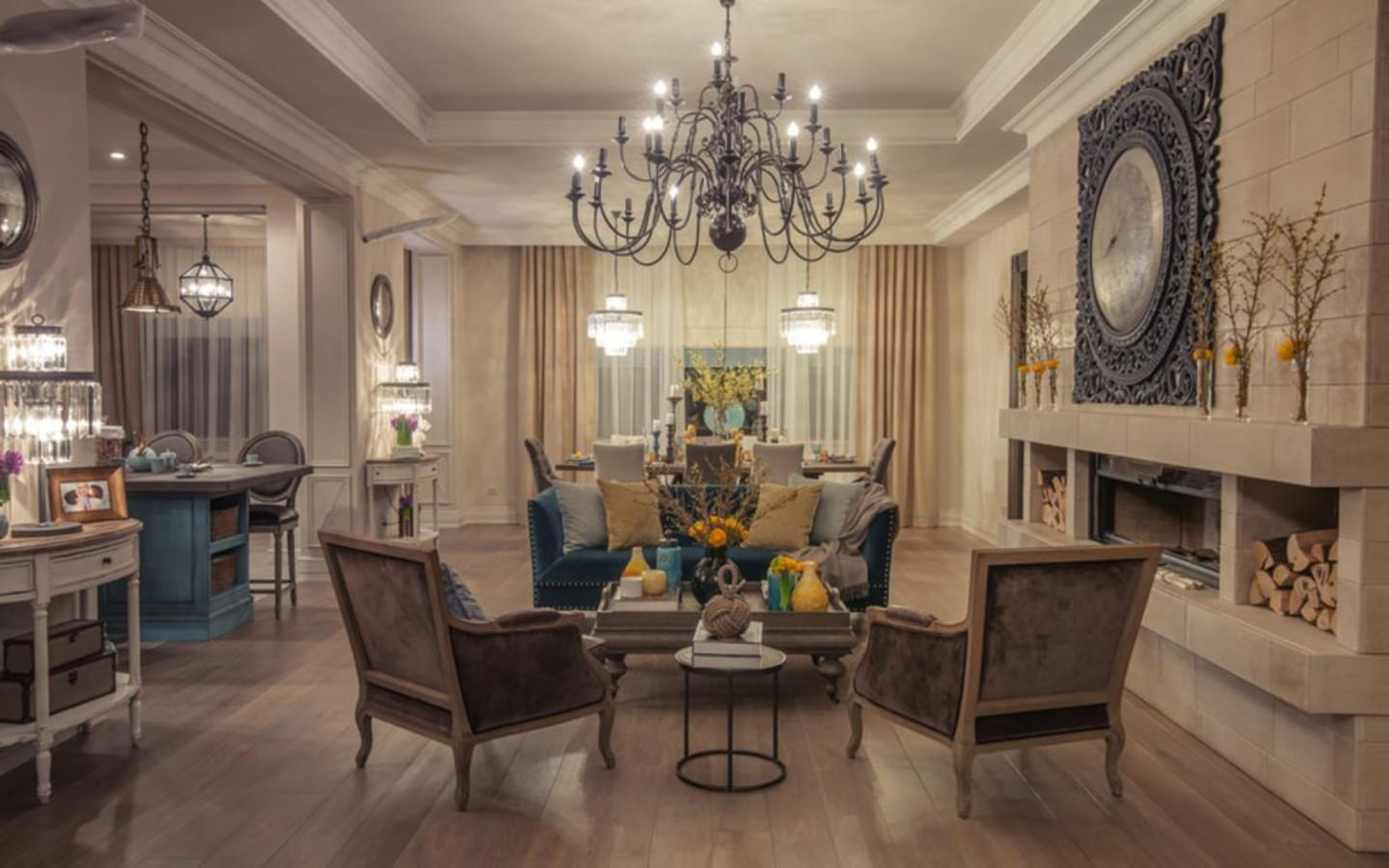
Lighting is one of the essential elements in home interior design, adding beauty and elegance to every corner of a house. Experts agree that light color significantly affects residents' psychological state—positively or negatively. There are several types of lighting available, including warm yellow and cool white. If you're wondering which is better between white and yellow lighting, continue reading as we answer this question and explain where each type is best used.
White vs Yellow Lighting: Which Is Better?
Color
Effect
Ideal Rooms
Kelvin Degree
Color
Warm Yellow
Effect
Relaxation and Comfort
Ideal Rooms
Bedrooms, living rooms, dining tables
Kelvin Degree
2700–3000
Color
Neutral White
Effect
Moderate Clarity
Ideal Rooms
Kitchens, bathrooms, offices, hallways
Kelvin Degree
3500–4100
Color
Daylight White
Effect
Alertness and Focus
Ideal Rooms
Offices, workshops, study rooms, outdoor areas
Kelvin Degree
5000–6500
Selecting between white and yellow lighting is a crucial aspect of interior design—not only does it enhance visual appeal, but it also directly influences mood and emotional well-being. Light color is determined by its color temperature measured in Kelvin (K). Higher values produce cooler, whiter light, while lower values create warmer, yellower tones.
White and yellow lighting are among the most popular choices for residential and office interiors, especially in lounges and dining areas. They also impact how colors and materials of furniture and decor appear, as well as influence the perceived warmth of a room. Notably, there are various types of LED bulbs available in both white and yellow shades. Below, we explore their key differences in detail.
Yellow Lighting
Yellow lighting can be used in many rooms and settings
We begin our comparison with yellow lighting, known for creating a calm and relaxing atmosphere due to its resemblance to sunset light. It also stimulates melatonin production, promoting relaxation and deeper sleep. Additionally, it offers several eye health benefits. Therefore, yellow light is considered ideal for bedroom lighting. Here are its main characteristics to help you decide which is better:
Emitted by bulbs with a color temperature between 2700K and 3000K, producing a warm, cozy glow similar to twilight
Ideal for living rooms, bedrooms, and dining areas, enhancing comfort and relaxation
Suits classic, rustic, vintage, and traditional decor styles
Easily integrated into smart lighting systems, especially those allowing color temperature control, enabling ambiance adjustments based on time or mood
Traditional yellow bulbs (like halogen) consume more energy, but yellow LED bulbs offer the same warm feel with higher efficiency and longer lifespan
Best used indirectly or in low fixtures like table lamps or chandeliers to avoid glare
Considered safe and healthy, especially when using low-heat LED bulbs, reducing burn risks for children and pets
Initial cost is low for conventional bulbs, but long-term savings improve significantly with durable yellow LEDs
White Lighting
White lighting is widely used in living rooms and guest areas
Moving on to white lighting, often called neutral or daylight lighting, it creates a bright, energetic atmosphere that promotes alertness and focus. For this reason, using it in bedrooms is generally discouraged. If you're unsure whether yellow or white bulbs are better, here are the main advantages of white lighting:
Produced by bulbs with a color temperature between 4000K and 6500K, emitting a crisp, daylight-like brightness that enhances concentration
Best suited for kitchens, bathrooms, and home offices—spaces requiring high visual clarity
Complements modern, minimalist, and industrial designs by accurately reflecting colors and highlighting fine details
In smart homes, white LED bulbs are widely available and support automatic lighting modes, dimming, and scheduling, helping reduce energy waste
More energy-efficient than traditional options, generates less heat, and is ideal for prolonged use
Distributes well in high ceilings or direct lighting setups such as spotlights and hidden LED strips; also effective for outdoor lighting like garden floodlights
Safe for children and pets when modern LED technology is used, without harmful radiation or excessive heat
Although smart or tunable white bulbs may have a higher upfront cost, their longevity and efficiency make them a smart long-term investment
How to Use White and Yellow Lighting in Home Decor
If you're unsure how to choose the right lighting for your rooms, here are some key guidelines:
Using White Lighting
If you're deciding between white and yellow bulbs, remember that white lighting gives a clean, refreshing feel and works best in functional, contemporary spaces. Consider these decorative applications:
Kitchens and bathrooms: Essential for clear visibility during cooking or cleaning, especially with reflective white or metallic surfaces
Home offices or study areas: Provides high clarity, improving focus and reducing distraction
Modern gypsum ceilings and concealed lighting: White LED strips highlight geometric ceiling and wall designs effectively
Modern and minimalist decor: Enhances clean lines and neutral colors, adding a sophisticated, professional touch
Large mirrors or glossy furniture: Reflects beautifully, making spaces appear larger and brighter
*Tip: Use cool white in functional areas, and neutral white (around 4000K) if you want to avoid overly cold or warm atmospheres
Using Yellow Lighting
Yellow lighting provides warmth and comfort, perfect for creating cozy, inviting environments. If you're unsure which to use, consider applying yellow light as follows:
Living and sitting rooms: Use yellow bulbs in side lamps or classic/vintage chandeliers to add warmth and encourage relaxation and conversation
Bedrooms: Ideal for bedside lamps or soft backlighting behind curtains or shelves, providing gentle illumination that aids sleep
Reading nooks or libraries: Soft yellow light reduces eye strain and creates a peaceful reading atmosphere
Traditional or rustic decor: Pairs well with natural wood, warm fabrics, and earth-toned walls
Crystal or brass chandeliers: Enhances the luxurious or classic look of these pieces
*Tip: Combining yellow lighting with candles or vintage-style filament LED bulbs adds a romantic, elegant traditional touch.
Combining Both Types
To achieve both visual balance and functionality, use yellow light for relaxation and white for task-oriented activities
Use CCT switches or smart bulbs to adjust color temperature based on time of day or mood
Example: General ceiling lighting in white, with yellow accent lamps used in the evening for relaxation
Frequently Asked Questions
Here, we address common questions about yellow versus white lighting:
Subscribe to
Which is better for the eyes: yellow or white lighting?
Yellow lighting is gentler on the eyes in the evening and during relaxation, as it’s dimmer and closer to natural sunset light, reducing eye strain. White lighting is better for tasks requiring focus and clear vision (like reading or working), but prolonged exposure, especially at night, may cause fatigue.
Does white lighting affect sleep?
Yes, especially cool or daylight-white lighting can suppress melatonin production, disrupting sleep. It's best to avoid it before bedtime and opt for yellow lighting instead.
Can both types be used in the same room?
Yes, combining both is often recommended—white for daytime activities and yellow for evening relaxation, especially with adjustable or smart lighting systems.
What is the best lighting for kitchens?
White lighting is preferable because it provides high clarity and shows food and surface colors more naturally, making cooking and cleaning easier and more precise.
Does wall color affect lighting effectiveness?
Yes, light-colored walls reflect light and enhance its effect, while dark walls absorb it—whether yellow or white—requiring stronger light sources.
What’s best for studying or home office work?
White lighting, particularly between 4000K and 5000K, helps reduce drowsiness and improves concentration and alertness.
Are smart bulbs available in both lighting types?
Yes, most smart bulbs allow switching between yellow and white, and some even let you adjust color tone and brightness via smartphone or voice assistant.
This concludes our guide on choosing between white and yellow lighting for homes, covering their differences and applications in interior design. For related topics, explore ideas for improving lighting in dark spaces or tips for refreshing your home decor affordably.
You'll find more diverse and helpful articles in a leading Arabic-language real estate blog in the UAE. Feel free to browse, share your thoughts in the comments, or subscribe to the weekly newsletter to stay updated on topics that interest you.