What Is the Skin?
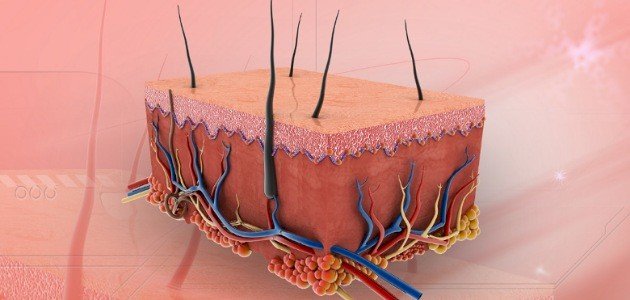
The skin is the largest organ in the human body, [1] serving as the outer covering of the body and weighing approximately 2.7 kilograms. It plays a vital role in maintaining health by performing essential functions for the body.[2]
Structure of the Skin
The skin consists of three main layers, [1] which we will describe below:
Epidermis Layer
The epidermis is the outermost layer of the skin, known for its high rate of regeneration. This layer contains the following components:[1]
These are the primary cells of this layer, continuously dividing in the basal layer and moving toward the surface. As they move, they die and flatten out.
These form the outermost layer of the epidermis and consist of dead keratinocytes that undergo constant renewal and structural change.
These cells produce melanin, the pigment responsible for skin color, and help protect the skin from harmful ultraviolet radiation.
Dermis Layer
The dermis is a connective tissue layer located between the epidermis and the subcutaneous layer. It is divided into two parts: the papillary dermis, which lies directly beneath the epidermis, and the reticular dermis, found deeper within the skin.[3] The dermis is primarily composed of collagen and elastic fibers,[3] and contains various types of cells, including:
These glands produce sweat, which travels through ducts to the skin’s surface and exits through pores.
Hair grows from these follicles.
These glands secrete sebum, an oily substance essential for keeping hair clean and protected from dust and bacteria.
This layer has significant importance due to its wide range of functions, including:
- Support and protection of the skin
The connective tissue provides strength and elasticity, helping shield the skin and underlying tissues. Blood vessels within this layer nourish the epidermis, hair follicles, and sebaceous glands, while also facilitating immune cell movement for effective immune responses.[3]
Blood vessels in the dermis help regulate body temperature, working alongside specialized structures called glomus bodies.[3] Sweat and sebum also contribute to thermoregulation.[1]
The dermis houses numerous nerve endings and sensory receptors responsible for detecting pressure, vibration, and hair movement.[3]
Subcutaneous Layer
Also known as the hypodermis, this is the deepest layer of the skin, located near muscles. It is primarily composed of fat, collagen-rich connective tissue, blood vessels, and nerves. Its thickness can reach up to 3 centimeters in the abdomen and about 1 millimeter in the eyelids. Key functions of this layer include:
Due to the presence of fat, this layer helps insulate the body against external temperature changes.
Expansion of blood vessels in this layer contributes to cooling the body.
The high fat content helps absorb impacts and reduces damage to bones and internal organs.
This layer connects the skin to deeper tissues such as muscles and bones.
Fats stored in this layer can be converted into energy when needed.
This layer produces leptin, a hormone crucial for signaling fullness after eating sufficient food.
Functions of the Skin
As previously mentioned, the skin performs many critical roles in the body, including:
- Protection against water, physical trauma, chemicals, and damage from ultraviolet radiation.
- Serving as the first line of defense against harmful microorganisms.
- Assisting in regulating body temperature and eliminating excess water through sweating.
- Producing vitamin D when exposed to sunlight.
- Secreting oil to maintain skin moisture, softness, and protection from foreign substances.
- Enabling the perception of various sensations such as touch, heat, cold, and pain.
- Isolating the body from external temperature extremes.
Common Skin Conditions
Several conditions can affect the skin, including:
Acne commonly occurs during adolescence and may persist into adulthood. It results from clogged hair follicles and sebaceous glands due to hormonal changes. If left untreated, it can lead to permanent scarring and dark spots on the face.[7]
- Atopic dermatitis (Eczema)
One of the most common forms of eczema in children, its exact cause remains unclear, though genetic factors, environmental triggers, and immune system disorders may play a role. It often appears on the face in infants, or on the hands, feet, or skin folds, causing dryness, flaking, and persistent itching. Chronic scratching may thicken the affected areas.[8]
Caused by reactivation of the varicella-zoster virus, shingles presents as a red, blistering rash that may wrap around the torso or appear anywhere on the body. It may be accompanied by fever, fatigue, and headaches. The risk increases if one had chickenpox in childhood.[6]
Characterized by raised, itchy red welts, hives can result from reactions to medications, foods, or insect bites. They typically resolve within 2–4 hours but may persist for months or years in some cases—known as chronic urticaria.[6]
Caused by overexposure to ultraviolet radiation from the sun, sunburn turns the skin red, causes pain and local warmth, and leads to peeling later. The best prevention is using sunscreen and avoiding peak sun hours.[6]
A type of eczema triggered by direct contact with irritants such as poison ivy, jewelry, latex gloves, or cleaning agents. Avoiding the trigger and using antihistamines or topical or oral steroids usually controls the condition effectively.[6]
Article Summary
The skin is the largest organ in the body and one of the most vital, protecting against external threats, pathogens, trauma, and UV damage. It also plays a key role in regulating body temperature and producing vitamin D. Composed of three layers—the epidermis, dermis, and subcutaneous layer—each offers unique benefits. Like other organs, the skin is susceptible to various conditions, including eczema, acne, hives, and skin cancer.
References
- ^ a b c d e "Structure and functions of the skin", health science, Retrieved 29/12/2021. Edited.
- ↑ "Medical Definition of Skin", medical network, Retrieved 29/12/2021. Edited.
- ^ a b c d e "Histology, Dermis", ncbi.nlm.nih, Retrieved 29/12/2021. Edited.
- ↑ "Anatomy and functions of the subcutaneous layer", medical news today, Retrieved 29/12/2021. Edited.
- ↑ "The Skin (Human Anatomy): Picture, Definition, Function and Skin Conditions", medical network, Retrieved 29/12/2021. Edited.
- ^ a b c d e "10 of the Most Common Skin Conditions: Photos and Treatments", drugs, Retrieved 29/12/2021. Edited.
- ↑ "Acne", mayo clinic, Retrieved 26/1/2022. Edited.
- ↑ "What to know about eczema", medical news today, Retrieved 26/1/2022. Edited.