Updated 12:17 PM,Dec 21,2020
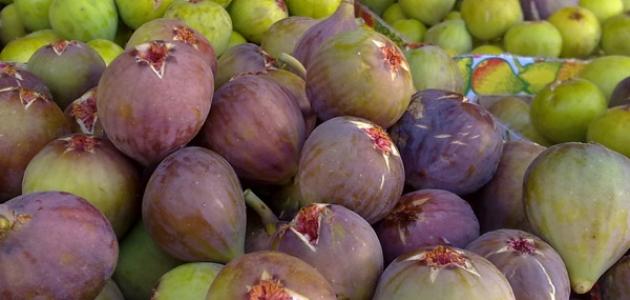
Types of Figs
Over seven hundred varieties of fig trees exist, but certain types are more widely recognized and cultivated. Below are the most notable ones:[1]
- Capri Fig: The Capri fig tree produces only male flowers, which pollinate other fig trees, but never bears fruit itself.
- Smyrna Fig: This variety features female flowers that are pollinated by male flowers from the Capri fig tree.
- San Pedro Fig: This type yields two crops—one that does not require pollination, and another that does.
- Silest Fig: These figs are medium-sized, with a brown or purple color, and ripen faster than most other figs, making them ideal for baking and desserts.
- Alma Fig: The fruits of this variety mature late in the growing season and offer a rich, delicious flavor.
- Turkish Brown Fig: These figs produce large, sweet fruits throughout the harvest season and contain few seeds.
- Purple Genka Fig: Also known as the Spanish black fig, it is distinguished by its large size, red flesh, and sweet taste.
- Banyan Fig: Known as the Indian fig, it grows in crevices and hollows of other trees, eventually enveloping and replacing them.[2]
- Chinese Banyan Fig: A species native to Asia, commonly planted along city streets in tropical regions.[2]
- Red Leaf Fig: This fig tree produces fruit in clusters and is originally from Indonesia, the Philippines, and New Guinea.[2]
- Moritong Bay Fig: Recognized by its large, visible roots above ground, this fig originates from Australia and can grow over sixty meters tall.[2]
- Paki Fig: This well-known fig sheds its leaves when transplanted or exposed to sudden environmental changes, but new leaves regrow afterward. Its trunks often flatten or intertwine like ropes as they grow.[2]
Harvesting Figs
Figs do not continue to ripen after being picked, unlike many other fruits. Therefore, wait until they are fully ripe—when the stems wilt and droop, and the fruit becomes soft and tender. It's best to harvest them at full maturity, as unripe figs have an unpleasant taste.[3]
Storing Figs
It’s best to store figs immediately after harvesting, regardless of the preservation method—whether drying or freezing. If dried naturally under sunlight or in a dehydrator, they can remain edible for three to four years in the freezer. Place the figs in a single layer in the coldest part of the freezer, then transfer them to an airtight container after freezing completely. They can be stored this way for up to three months. If kept in the refrigerator, consume them within three days.[3]
References
- ↑ Jackie Carroll, "Fig Types: Different Types Of Fig Trees For The Garden", Retrieved 23-6-2018. Edited.
- ^ A B C D E VANESSA RICHINS MYERS (10-4-2018), "Meet 9 Species of Fig Trees", Retrieved 23-6-2018. Edited.
- ^ A B Susan Patterson, "Harvesting And Storing Fresh Figs – When And How To Harvest Figs", Retrieved 23-6-2018. Edited.