Updated 11:55 PM,Feb 24,2021
Best Toothache Relief
Before discussing the best toothache relief, it's important to consult a healthcare provider before taking any over-the-counter pain relievers, and always follow the recommended dosage instructions from your doctor or as indicated on the medication leaflet. Although these medications do not require a prescription, they may not be safe for everyone, especially if you have other health conditions or are taking other medications, as they can interact with them. Therefore, it’s always advisable to see a dentist or medical professional to determine the cause of the pain and the most suitable relief option.[1] Below are some commonly recommended remedies for easing tooth pain:
Ibuprofen
Ibuprofen (English: Ibuprofen) belongs to a class of drugs known as nonsteroidal anti-inflammatory drugs (NSAIDs), which help reduce pain and inflammation. These medications are among the most frequently prescribed for managing post-surgical dental pain.[2][3] Ibuprofen is widely recommended for relieving toothache and reducing inflammation, which is common in many dental discomforts. It is available without a prescription and comes in various forms such as tablets, soft gel capsules, and oral suspensions.[2][1]
Ibuprofen works by blocking the production of prostaglandins—chemicals released by the body in response to injury or illness that trigger swelling, pain, and sometimes fever. The pain-relieving effect usually begins shortly after taking the medication, while its anti-inflammatory action may take longer to develop, sometimes requiring several weeks.[4] Here are some important guidelines when using ibuprofen:[2][5]
- Take the medication exactly as directed by your doctor or according to the instructions on the package insert.
- Do not exceed the recommended dose; avoid taking more than advised.
- Use the lowest effective dose needed to relieve pain.
- Take ibuprofen with food or milk to help minimize potential stomach side effects such as upset stomach or heartburn.
- Shake the oral suspension well before measuring the dose. Use the provided dosing syringe or a special measuring spoon to ensure accuracy.
Acetaminophen
Acetaminophen (English: Acetaminophen) or paracetamol (English: Paracetamol) is a common over-the-counter pain reliever used for toothache. It is often recommended when ibuprofen cannot be taken due to certain medical reasons. Unlike ibuprofen, acetaminophen does not reduce inflammation but effectively relieves pain. It is also found in combination with other medications and is available in various forms including tablets, capsules, liquid syrup, and oral suspensions.[1][6] Its effects typically begin within about an hour and last for several hours. It can be taken with or without food.[7][6] It is essential to consult a healthcare provider to determine the correct dosage and avoid exceeding the daily limit, especially if you are taking other medications, to prevent drug interactions. If symptoms persist despite taking the medication, do not increase the dose. Dosage varies based on age, weight, and concentration of the active ingredient in the product.[7][1]
Other Ways to Relieve Pain
Several temporary methods can help ease tooth pain. Below are some effective options:[1]
- Use dental floss to clean between teeth where pain originates, removing food particles that may worsen discomfort.
- Avoid extremely hot or cold foods and drinks, as well as sugary or acidic items.
- Elevate your head slightly with a pillow while sleeping to reduce pressure on the teeth.
- Apply clove oil to the affected area, which may help relieve pain from certain types of toothaches.
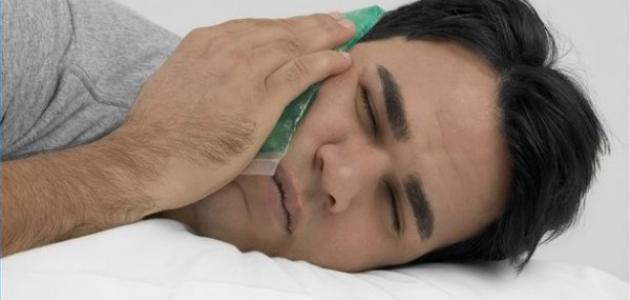
- Apply a cold compress or ice pack to the cheek. This can reduce pain, especially if the toothache stems from trauma or gum swelling. Cooling the area constricts blood vessels, reduces blood flow to the injured site, thereby helping to numb pain, reduce swelling, and decrease inflammation. Apply for a few minutes at a time.[8]
- Rinse your mouth with warm saltwater. Dissolve a teaspoon of salt in a cup of warm water and use this solution to rinse and gargle. This helps remove food debris trapped in tooth gaps and between teeth, may reduce swelling, promote healing, and ease sore throat. You can use this remedy as needed, rinsing for about 30 seconds before spitting it out.[8]
Choosing the Right Pain Relief
Acetaminophen and nonsteroidal anti-inflammatory drugs (NSAIDs) are generally recommended for mild to moderate tooth pain. The choice between them depends on the type of pain and individual risk factors related to NSAID side effects, such as those affecting the cardiovascular system, gastrointestinal tract, or urinary system. In this context, it’s important to note that aspirin should not be used for tooth pain, as it belongs to the NSAID family and can increase the risk of bleeding during dental procedures.[2][9]
When to See a Dentist
Seek dental care immediately if you experience any of the following:[10]
- Pain lasting more than two days.
- No improvement in pain despite using pain relievers.
- Fever, pain when biting down, redness of the gums, or a bad taste in the mouth.
- Swelling in the jaw or cheek.
Video on Pain Relief
For additional information, we recommend watching a video by Dr. Rawan Hijab, a pharmacist, discussing pain relief options.
References
- ^ a b c d e Shawn Watson (July 27, 2020),"Over-the-Counter Pain Relief Medication for Dental Use", www.verywellhealth.com, Retrieved February 2, 2021. Edited.
- ^ a b c d "Toothache: self-care", www.mydr.com.au, February 14, 2020, Retrieved February 3, 2021. Edited.
- ↑ Alessandro Pozzi, Luca Gallelli (April 15, 2020), "Pain management for dentists: the role of ibuprofen", www.ncbi.nlm.nih.gov, Retrieved February 3, 2021. Edited.
- ↑ "What is ibuprofen?", www.medicalnewstoday.com, Retrieved February 3, 2021. Edited.
- ↑ Kaci Durbin (January 28, 2021), "Ibuprofen", www.drugs.com, Retrieved February 3, 2021. Edited.
- ^ a b "Paracetamol for adults", www.nhs.uk, Retrieved February 3, 2021. Edited.
- ^ a b "Paracetamol", www.nhsinform.scot, Retrieved February 3, 2021. Edited.
- ^ a b Soccy Ponsford "How to treat a toothache at home", www.medicalnewstoday.com, Retrieved February 3, 2021. Edited.
- ↑ "Pharmacologic Therapy for Acute Pain", www.aafp.org, Retrieved February 3, 2021. Edited.
- ↑ "conditions/toothache", www.nhs.uk, Retrieved February 3, 2021. Edited.