Updated 09:12 AM,Feb 22,2021
Side Effects of Sodium Bicarbonate
Safety Profile of Sodium Bicarbonate
Oral consumption of sodium bicarbonate is generally considered safe when used appropriately, including over-the-counter antacids containing sodium bicarbonate taken for a limited duration without a prescription. These products are deemed safe by the U.S. Food and Drug Administration (FDA). However, consuming large amounts may pose risks. Excessive or prolonged use can lead to complications such as stomach rupture and serious imbalances in body electrolytes.[1]
Additionally, it may not be safe to consume sodium bicarbonate during pregnancy, as it could increase the risk of fluid retention or tissue pH imbalance. There is insufficient data regarding its safety in breastfeeding women or children, so it is advisable to avoid its use in these groups.[1]
Precautions for Using Sodium Bicarbonate
The following conditions require caution when considering sodium bicarbonate intake:[2]
- Individuals with diabetic ketoacidosis: Sodium bicarbonate can raise blood ketone levels, which are linked to serious complications of diabetes when blood acid levels become excessively high.
- Those suffering from edema: Sodium bicarbonate may increase the risk of swelling due to fluid accumulation in the body, primarily because it contains sodium. Patients with heart failure, liver disease, or other conditions involving fluid retention should exercise caution when using this compound.
- People with high blood calcium levels: Individuals with elevated calcium levels may struggle to excrete bicarbonate, making sodium bicarbonate use potentially risky and increasing the likelihood of developing alkaline milk syndrome (Milk-alkali syndrome).
- Those with high blood sodium levels: Since sodium bicarbonate increases sodium levels in the bloodstream, it should be avoided in such cases.[3]
- Individuals with high blood pressure: Sodium bicarbonate may elevate blood pressure, so those with hypertension should avoid its use.[3]
- People with low blood potassium levels: Sodium bicarbonate may further reduce potassium levels, so individuals with hypokalemia should refrain from taking it.[3]
- Those with iron deficiency: Sodium bicarbonate may impair the body's ability to absorb iron, so individuals with iron deficiency should avoid taking it close in time to iron supplements.[3]
Drug Interactions with Sodium Bicarbonate
Sodium bicarbonate can interact with certain medications. Key examples include:[4]
- Medications that lower potassium levels: As previously noted, sodium bicarbonate reduces potassium levels in the body. When combined with drugs that also lower potassium, this may result in dangerously low levels, possibly requiring potassium supplementation. Examples include:
- Aminoglycosides.
- Amphotericin B.
- beta-2 agonists.
- Cisplatin.
- Fluconazole.
- Some glucocorticoids.
- Methylxanthines.
- Penicillin.
- Stimulant laxatives.
- Loop diuretics and thiazide diuretics.
- Aspirin: Intravenous administration of sodium bicarbonate can accelerate aspirin metabolism and elimination, reducing its effectiveness. Therefore, concurrent use should be avoided.
- Cefpodoxime proxetil: Taking sodium bicarbonate with cefpodoxime proxetil decreases the drug’s concentration in the body, potentially reducing its antibacterial efficacy.
- Chlorpropamide: Combining sodium bicarbonate with chlorpropamide increases the rate at which the body eliminates the medication, thereby decreasing its therapeutic effect.
- Pseudoephedrine: Intravenous sodium bicarbonate may slow down the metabolism of pseudoephedrine, leading to higher blood levels and an increased risk of toxicity.
Safe Dosage of Sodium Bicarbonate
It is essential to consult a healthcare provider before using sodium bicarbonate. Available in powder or tablet form for oral use, dosage typically ranges from one to four times daily depending on the intended purpose. Always follow prescribed instructions carefully and consult your doctor or pharmacist if any part is unclear.[5]
It is crucial to take sodium bicarbonate exactly as directed—neither exceeding nor reducing the recommended amount. If used as an antacid, it should be taken one to two hours after meals, accompanied by a full glass of water. For other uses, it may be taken with or without food, but avoid taking it on a very full stomach.[5]
Are There Benefits to Sodium Bicarbonate?
Sodium bicarbonate exhibits antimicrobial properties. A study published in the Journal of Food Science found that sodium bicarbonate inhibited the growth of several bacteria and yeasts under specific laboratory conditions, including Escherichia coli, Staphylococcus aureus, Pseudomonas aeruginosa, and Lactobacillus plantarum.[6] Additionally, it may help combat inflammation by activating the spleen to enhance immune responses against inflammatory triggers.[7]
Overview of Sodium Bicarbonate and Its Uses
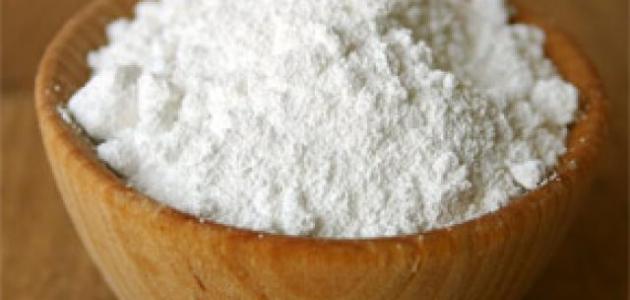
Sodium bicarbonate, commonly known as baking soda, is a salt composed of sodium and bicarbonate ions with the chemical formula NaHCO3. It typically appears as a white crystalline solid or fine powder.[8] It has diverse applications, especially in baking, due to its leavening properties—producing carbon dioxide gas that helps dough rise. It is also used as an air freshener, herbicide, general cleaner, and in personal care products.[9]
Video on Sodium Bicarbonate
For more information about sodium bicarbonate, watch the video.[10]
References
- ^ a b "SODIUM BICARBONATE", www.webmd.com, Retrieved 9-2-2021. Edited.
- ↑ "Sodium Bicarbonate", www.medicinenet.com, Retrieved 9-2-2021. Edited.
- ^ a b c d "Sodium Bicarbonate", www.emedicinehealth.com, Retrieved 10-2-2021. Edited.
- ↑ "SODIUM BICARBONATE", www.rxlist.com, Retrieved 10-2-2021. Edited.
- ^ a b "Sodium Bicarbonate", www.medlineplus.gov, Retrieved 10-2-2021. Edited.
- ↑ LAURA CORRAL, LAURIE POST, THOMAS MONTVILLE (1988), "Antimicrobial Activity of Sodium Bicarbonate", Journal of food science, Issue 3, Folder 53, Page 981-982. Edited.
- ↑ Sarah Ray, Babak Baban, Matthew Tucker, And others (15-5-2018), "Oral NaHCO3 Activates a Splenic Anti-Inflammatory Pathway: Evidence That Cholinergic Signals Are Transmitted via Mesothelial Cells", The Journal of Immunology, Issue 10, Folder 200, Page 3568-3586. Edited.
- ↑ Jayne Leonard (4-9-2018), "Does baking soda work as treatment for acid reflux?"، www.medicalnewstoday.com, Retrieved 10-2-2021. Edited.
- ↑ Ryan Raman (1-7-2020), "22 Benefits and Uses for Baking Soda"، www.healthline.com, Retrieved 10-2-2021. Edited.
- ↑ Video on sodium bicarbonate.