Real Estate Developer Responsibilities and Obligations in Dubai
Share
7 minutes to read· Updated 09:04 PM,Jul 21,2025
Dubai's real estate market is one of the key economic drivers in the emirate, attracting significant attention due to Dubai’s global standing as one of the world’s top cities for real estate investment. It draws interest from both local and international investors and is on its way to becoming the world’s leading real estate investment hub, while also emerging as one of the most beautiful and prominent tourist destinations globally. This article outlines the core responsibilities and duties of real estate developers in Dubai.
Definition of a Real Estate Developer in Dubai
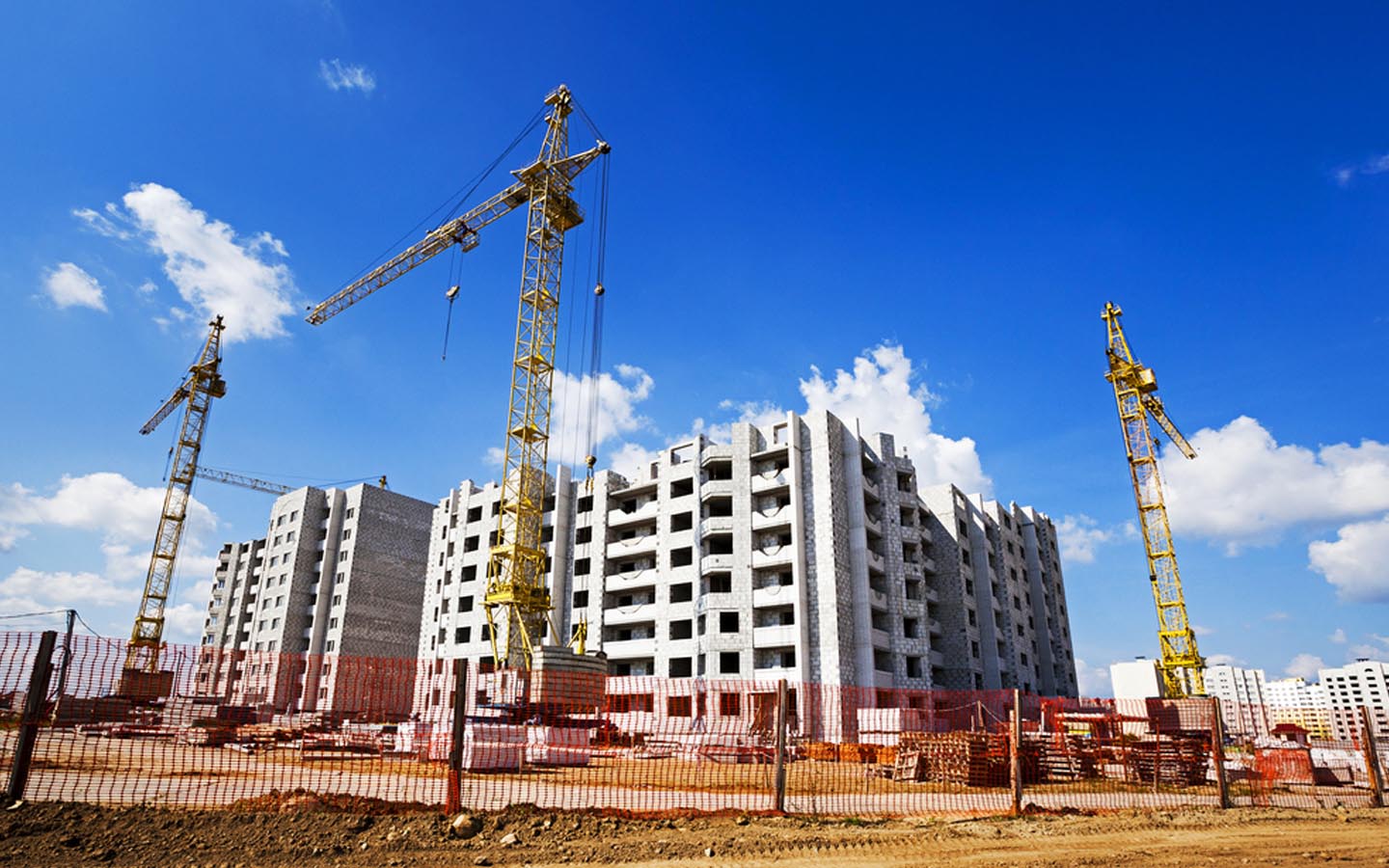
A key responsibility of a real estate developer in Dubai is ensuring timely project delivery and maintaining construction quality.
Dubai’s Condominium Ownership Law distinguishes two types of real estate developers:
Principal Developer: Any entity licensed to carry out real estate development activities in the emirate and authorized to sell units to third parties.
Sub-Developer: Any entity licensed to conduct real estate development in the emirate and authorized to sell units to third parties, granted such rights by the principal developer to develop part of the main project.
The main project involves developing vacant land, constructing infrastructure and shared facilities, and dividing it into parcels for sale. This includes building multi-story buildings or complexes for residential, commercial, industrial, or mixed-use purposes. The Real Estate Regulatory Authority classifies such projects as main projects.
Real estate development follows a series of architectural and engineering plans prepared by the developer and approved by Dubai’s Department of Land and Property and the relevant authority responsible for issuing construction permits and approving area development plans.
Responsibilities of a Real Estate Developer in Dubai
When selecting a real estate developer in Dubai, it is essential to understand their key duties and obligations toward you. Below is a comprehensive overview of the responsibilities of a real estate developer in Dubai:
Registration with the Department of Land and Property
Dubai’s Condominium Ownership Law is among the most important regulations governing real estate developers in the emirate, outlining all their legal commitments. Under Article 6, Paragraph 3, a developer must deposit the project plans and the master deed system with the Department of Land and Property upon completion of the shared property and receipt of the completion certificate from the competent authority.
This system includes terms and conditions related to the development and operation of the main project, shared properties, and common facilities. It covers planning and construction standards, along with a comprehensive set of rules governing the owners’ committee, which must be established and approved.
The system also includes building management documents, prepared according to regulations issued by the Department of Land and Property, registered in the shared property registry. These documents detail maintenance procedures for common areas, ownership share percentages in related costs—including equipment and services located in any part of another building. Such documents must be submitted within 60 days of receiving the completion certificate, with a possible extension of up to 30 days if acceptable reasons for delay are provided.
If the developer fails to submit the required documents within the specified timeframe, the department has the right to request them from any suitable party, requiring that document submission be made to the department, with the developer bearing all associated costs and expenses.
Maintenance of the Property
Regular property maintenance is one of the primary responsibilities of a real estate developer in Dubai.
Under Article 26 of Dubai’s Condominium Ownership Law, the developer is responsible for correcting or repairing any structural defects in the shared property reported by the owners’ association or individual unit owners. This obligation lasts for ten years, starting from the date the project receives its completion certificate, making property maintenance a critical duty under Dubai law.
Within the developer’s responsibilities in Dubai, liability for repairing or replacing defective installations in the shared property continues for one year after the project receives its completion certificate. This includes mechanical and electrical works, plumbing systems, sewage systems, and similar installations.
Opening a Development Guarantee Account
Another key obligation for real estate developers in Dubai is opening a legally recognized real estate development guarantee account. Funds paid by unit buyers on the plan, or from project financiers, are deposited into this account. This account serves as financial protection, ensuring buyers receive the properties they have paid for in advance to real estate developers.
To activate the Dubai land guarantee account, specific requirements must be met, and necessary documents submitted to the Department of Land and Property. Developers must meet the project’s financial risk criteria before applying and must attach a recent technical report issued by the Department of Land and Property, not older than four months, with no red flags in the latest project phase.
Management and Maintenance of Facilities
Managing and regularly maintaining shared facilities is a core function of real estate developers in Dubai. Additionally, developers are required to register the unit and its designated parking spaces in the owner’s name, in accordance with directives from the General Director of the Department of Land and Property. Units cannot be sold or transferred without their designated parking spaces, as stipulated in Paragraph 2 of Article 10 of Dubai’s Condominium Ownership Law.
Subscribe to
The principal developer is also responsible for managing and maintaining shared facilities in the main project, as per Article 19 of Dubai’s Condominium Ownership Law. These tasks must be outsourced to a licensed facility management company approved by the Real Estate Regulatory Authority, specializing in managing shared facilities, shared properties, or common parts, under a formal written agreement pre-approved by the regulatory authority.
Delivery on Schedule
Delivering real estate units on time, as specified in contracts, is a crucial responsibility for real estate developers in Dubai. The contract between the developer and buyer is a legally binding agreement, and delays in delivery may constitute a breach, resulting in legal liability for the developer.
Issuing Title Certificates
Another key obligation for real estate developers is issuing title certificates. Developers must coordinate with the Department of Land and Property to issue title certificates to buyers once the project is completed and units are delivered.
Financial Disclosure and Transparency
Financial disclosure and transparency are mandatory for real estate developers in Dubai. Developers must disclose the project’s estimated budget and periodic cash flow reports to the Department of Land and Property (DLD) and RERA. These disclosure obligations must be included in contractual agreements, covering funding sources and progress milestones, to ensure buyer protection and compliance with Dubai’s real estate regulations.
Dispute Resolution Mechanisms
Dispute resolution mechanisms are an integral part of developers’ obligations under Dubai law. Buyers may file complaints with the Real Estate Dispute Settlement Center under RERA within 60 days of becoming aware of any contractual violation. Developers must respond in writing and provide supporting documentation. If RERA rejects the appeal, its decisions are final and enforceable, as per Executive Decision No. 6 of 2010 regarding the enforcement of real estate regulation laws.
Compliance with Federal and Local Laws
Beyond Dubai-specific obligations, developers must comply with the Federal Law No. 8 of 2007 on Real Estate Guarantee Accounts, Federal Law No. 24 of 1999 on Environmental Protection, and Executive Council decisions (such as Decision No. 6 of 2010). This includes obtaining a “Construction Completion Certificate” from Dubai Municipality and an “Acceptance Certificate” from DLD, followed by issuing a “Building Acceptance Certificate” from the Dubai Development Authority to ensure building safety and compliance with construction and environmental standards.
Frequently Asked Questions
This section addresses common questions about the responsibilities of real estate developers in Dubai. We recommend reviewing these for clarity.
What are the responsibilities of a real estate developer?
Obtaining official licenses and approvals from relevant authorities (Department of Land and Property, Emirate Municipality, RERA, etc.)
Establishing a guarantee account (Escrow Account) for off-plan sales to protect buyers’ funds
Adhering to delivery schedules and delivering residential and commercial units on time as agreed in contracts
Ensuring construction quality and long-term structural warranties, along with ongoing maintenance of electrical and mechanical systems
Providing financial transparency through regular financial reporting, disclosing funding sources and progress milestones to buyers and regulators
Complying with advertising and marketing regulations issued by RERA and DLD, providing detailed information booklets about units and payment terms
Issuing required title and acceptance certificates (Construction Completion Certificate, DLD Acceptance Certificate)
Offering post-sale support and addressing buyer complaints through official dispute resolution channels at RERA
Adhering to environmental standards and green building regulations, such as Dubai Green Building Regulations and sustainability frameworks like LEED or Estidama
What are the duties of a real estate developer?
A real estate developer is the entity or individual responsible for acquiring and preparing land, securing all necessary government licenses and approvals, creating project plans including feasibility studies, securing project financing from investors or banks, and finally implementing marketing and sales strategies after project completion.
Who are the top real estate developers in Dubai?
The list of real estate developers in Dubai includes companies striving to deliver premium residential and commercial properties. Notable names include:
Nakheel
Majid Al Futtaim Real Estate Development Company
Madinet
Deyr
Muras
Emaar
How do I choose the right developer for me?
Several tips can help you select the best real estate developer in Dubai:
Review the developer’s past projects
Research the developer’s reputation and track record
Examine payment methods and pricing structures
Verify the developer’s service offerings and after-sales support
What should I do if my developer delays project delivery?
If your developer delays project delivery, consider taking the following steps:
Visit the project site to assess progress firsthand
Directly contact the developer to discuss solutions
File a legal claim
We’ve provided you with comprehensive information on the responsibilities of real estate developers in Dubai, highlighting their key roles as defined by law. If you’re interested in related topics, explore the procedures for registering a mortgage in Dubai for individuals, companies, and institutions. We also recommend reviewing the range of services offered by the Real Estate Regulatory Authority.
You’ll find a wide variety of useful articles on the My Home blog—the leading Arabic-language real estate blog in the UAE. Feel free to browse our content, leave comments, and subscribe to the My Home Newsletter to receive weekly updates on topics that matter to you.