Updated 06:30 AM,Aug 7,2022
Side Effects of Fenugreek
It’s important to note that some natural products may not be compatible with certain medications or other natural products. Therefore, it is essential to consult a doctor before using any natural product, including fenugreek.[1]
Safety Level of Fenugreek
Fenugreek is generally safe when consumed in amounts found in food. It is also likely safe to consume in larger quantities for up to six months, although it may cause certain side effects such as diarrhea, bloating, gas, stomach discomfort, dizziness, headache, and a distinctive odor in urine resembling that of maple syrup. It may also lead to nasal congestion, coughing, wheezing during breathing, facial swelling, and allergic reactions in individuals with allergies. Below is an overview of fenugreek’s safety profile across different groups:[2][3]
- Pregnant women: Consuming fenugreek in amounts exceeding those found in food during pregnancy is likely unsafe. It may cause fetal abnormalities and premature contractions. Taking fenugreek shortly before delivery may result in newborns emitting an unusual odor similar to maple syrup. Although this odor is harmless, it can be mistaken for a condition called maple syrup urine disease. However, this smell does not persist long-term.
- Lactating mothers: It is likely safe for nursing women to consume fenugreek in short-term doses. It is believed to help increase milk production. Some studies suggest that taking 1725 milligrams of fenugreek three times daily for three weeks does not cause adverse effects in infants.
- Children: It is possibly unsafe for children to consume fenugreek. There are some reports linking fenugreek tea to episodes of unconsciousness in children, though the connection remains unconfirmed. Additionally, as previously mentioned, consuming fenugreek tea may cause a body odor resembling maple syrup.
Precautions for Consuming Fenugreek
Individuals with certain health conditions should exercise caution when using fenugreek. These include:
- Those allergic to certain plants: People with allergies to plants in the Fabaceae family—such as green peas, peanuts, and soybeans—may also experience allergic reactions to fenugreek.
- Diabetics: Fenugreek may affect blood sugar levels in people with diabetes. Therefore, monitoring signs of low blood sugar (hypoglycemia) and regularly checking blood glucose levels is crucial for diabetic individuals using fenugreek.
- Those with low blood pressure: Fenugreek use may further lower blood pressure, which could pose risks for individuals already suffering from hypotension.
- Those preparing for surgery: As previously noted, fenugreek may impact blood sugar and blood pressure levels, potentially interfering with their management during and after surgical procedures. It is recommended to stop using fenugreek at least two weeks before surgery.
Drug Interactions with Fenugreek
Certain medications may interact negatively with fenugreek, so consulting a healthcare provider before use is advised. These include:
- Diabetes medications: Combining fenugreek with drugs that lower blood sugar (antidiabetic medications) may significantly reduce blood glucose levels. The interaction between fenugreek and these drugs is considered moderate. Examples include glimepiride, glyburide, insulin, and others.
- Medications that slow blood clotting: Using fenugreek alongside these drugs may further slow blood coagulation, increasing the risk of bleeding and bruising. This interaction is classified as moderate. Examples include aspirin, warfarin, heparin, and similar agents.
- Theophylline: Taking fenugreek with this medication may reduce its absorption in the body, thereby diminishing its effectiveness. This interaction is considered moderate.
- Warfarin: Combining fenugreek with warfarin may increase the risk of bruising and bleeding, as previously mentioned.[4]
Nutritional Value of Fenugreek
The table below outlines the nutritional content of 100 grams of fenugreek seeds:[5]
| Nutrient |
Value |
| Water |
8.84 milliliters |
| Calories |
323 calories |
| Carbohydrates |
58.35 grams |
| Dietary fiber |
24.6 grams |
| Protein |
23 grams |
| Total fats |
6.41 grams |
| Calcium |
176 milligrams |
| Iron |
33.53 milligrams |
| Magnesium |
191 milligrams |
| Phosphorus |
296 milligrams |
| Potassium |
770 milligrams |
| Sodium |
67 milligrams |
| Zinc |
2.5 milligrams |
| Copper |
1.11 milligrams |
| Selenium |
6.3 micrograms |
| Manganese |
1.228 milligrams |
| Vitamin C |
3 milligrams |
| Vitamin B1 |
0.322 milligrams |
| Vitamin B2 |
0.366 milligrams |
| Vitamin B3 |
1.64 milligrams |
| Vitamin B6 |
0.6 milligrams |
| Folate |
57 micrograms |
| Vitamin A |
60 international units |
| Saturated fats |
1.46 grams |
General Benefits of Fenugreek
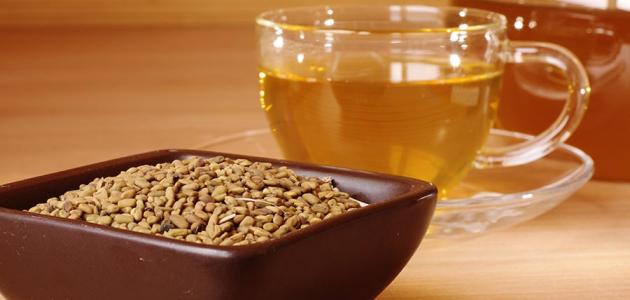
Fenugreek resembles clover in appearance and is originally native to the Mediterranean region, southern Europe, and western Asia. Its seeds are commonly used in cooking and serve as a spice in various foods, beverages, and spice blends. Additionally, fenugreek extracts are used in cosmetic and soap manufacturing. Notably, fenugreek seeds have a distinct aroma and flavor reminiscent of maple syrup, as previously mentioned.[6] Key general benefits of fenugreek include:
- Rich in antioxidants: Fenugreek contains high levels of antioxidants, contributing to its anti-inflammatory properties.[7] Antioxidants help the body neutralize harmful substances known as free radicals.[8]
- High in vitamins and minerals: Fenugreek provides numerous essential nutrients for the human body, including sodium, calcium, zinc, vitamin C, vitamin B1, vitamin B2, vitamin B3, vitamin B6, folate,[9] manganese, phosphorus, potassium, iron, magnesium,[10][11] vitamin B7, vitamin A, and vitamin D.[7]
For more information on fenugreek benefits, you can read the article Benefits of Fenugreek Tea.
Video: How to Prepare Fenugreek
To learn more about how to prepare fenugreek, watch the video.[12]
References
- ↑ "Fenugreek", www.drugs.com, 2-10-2019, Retrieved 23-2-2021. Edited.
- ^ A B C "Fenugreek", www.webmd.com, Retrieved 23-2-2021. Edited.
- ^ A B "FENUGREEK", www.rxlist.com, 17-9-2019, Retrieved 23-2-2021. Edited.
- ^ A B "Fenugreek", www.emedicinehealth.com, 17-9-2019, Retrieved 23-2-2021. Edited.
- ↑ "Spices, fenugreek seed", www.fdc.nal.usda.gov, 1-4-2019, Retrieved 10-2-2020. Edited.
- ↑ "Fenugreek", www.nccih.nih.gov, Retrieved 7-8-2022. Edited.
- ^ A B Jennifer Huizen (31-1-2019), "Is fenugreek good for you?", www.medicalnewstoday.com, Retrieved 24-2-2021. Edited.
- ↑ "Antioxidants", www.betterhealth.vic.gov.au, 6-2020, Retrieved 24-2-2021. Edited.
- ↑ Sheryl Salomon (6-7-2019), "What Is Fenugreek? Nutrition Facts, Health Benefits, Types, Side Effects, Dosage, and More", www.everydayhealth.com, Retrieved 24-2-2021. Edited.
- ↑ Laura Krebs-Holm (10-11-2020), "What Are the Health Benefits of Fenugreek and How to Maximize Them?", www.emedihealth.com, Retrieved 24-2-2021. Edited.
- ↑ Rudy Mawer (13-6-2019), "Fenugreek: An Herb with Impressive Health Benefits", www.healthline.com, Retrieved 24-2-2021. Edited.
- ↑ Video: How to Prepare Fenugreek.