Updated 12:46 AM,Dec 12,2021
Concept of Visa Card and Mastercard
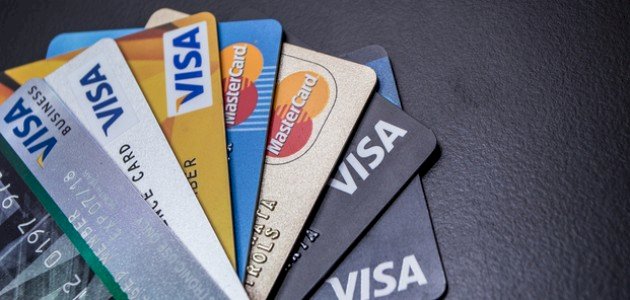
Both Visa Cards and Mastercards are types of credit cards. Credit cards are a form of financial instrument used to carry out various financial transactions, such as purchasing goods or services and withdrawing cash, based on predefined credit limits and specific currencies.[1]
Credit cards are issued by banks under their customers' names through agreements with various companies, enabling bank customers to use these cards for numerous financial operations.[1]
The Visa Card (in English: Visa Card) is a credit card issued by Visa, one of the leading companies in digital payment technology, used by both businesses and individual consumers.[2] Mastercard is another type of credit card issued and distributed by Mastercard Inc.[3]
Differences Between Visa Card and Mastercard
There are few significant differences between Visa and Mastercard. The main distinction lies in the specific benefits associated with each card, such as credit limits, interest rates, and rewards programs, which are determined by the issuing bank or financial institution.[4]
Some additional differences may arise from customer preferences—for example, some individuals prefer using Visa for car rental insurance, while others benefit more from the unique services offered by Mastercard.[4]
Importance of Credit Cards
Credit cards are a vital banking service within the financial sector and have become essential tools for people across diverse communities. This has contributed to the widespread adoption of credit cards. Below are the key reasons why credit cards matter in daily life:[5]
- Credit cards have become one of the most important methods for fulfilling financial obligations related to purchases or service fees, such as paying taxes, utility bills, and other charges.
- Credit cards have proven effective in enhancing security and protection for users against theft or loss of funds.
- They help safeguard cardholders’ rights by verifying financial capacity and providing access to account balance information linked to the card.
- They are widely accepted at restaurants, retail stores, and other establishments, contributing to increased sales volumes.
Advantages of Credit Cards
Credit cards offer a range of impactful benefits that affect all aspects of their function. Below are key features:[6]
Bank-Specific Advantages
Key advantages for banks include:[6]
- They serve as a channel for banks to utilize excess liquidity.
- They support the geographical expansion of bank services.
- They generate financial revenue for banks through transaction fees and foreign currency exchange services provided to cardholders.
Cardholder-Specific Advantages
Benefits for cardholders include:[6]
- They provide a convenient and reliable method for making financial payments.
- They assist users in managing personal finances effectively, as repayment amounts are fixed and scheduled at regular intervals.
- They enable international payments due to global acceptance across countries.
Merchant-Specific Advantages
Merchants benefit from credit cards through:[6]
- Unpaid promotional exposure, as banks promote merchant names to card users.
- Financial assurance, since banks commit to covering all transactions made by cardholders.
Societal Advantages
Broader societal benefits include:[6]
- They serve as an efficient payment option for small-scale commercial activities.
- They contribute to economic stability by offering credit to consumers, boosting purchasing power and stimulating market activity and production.
- They support financial sector growth by shifting debt relationships from traditional retailers to financial institutions.
- They help reduce traditional forms of theft and fraud.
Video on the First Credit Card
Both Mastercard and Visa are credit cards widely used in daily life for shopping, bill payments, and similar purposes. Despite their various types and uses, there is only one primary difference between them: the specific benefits attached to each card—such as credit limits, interest rates, and rewards—which are set by the issuing bank or financial institution.
References
- ^ A B Central Bank of Jordan, Everything You Need to Know About Banking Cards, page 1. Adapted.
- ↑ "Visa Card", www.investopedia.com, Retrieved 14-11-2017. Edited.
- ↑ "MasterCard", www.businessdictionary.com, Retrieved 14-11-2017. Edited.
- ^ A B Adam Hayes, "Visa vs. MasterCard: Is There a Difference?", www.investopedia.com, Retrieved 14-11-2017. Edited.
- ↑ Ibrahim Shasho (2011), "The Reality and Legal Framework of Credit Cards", Damascus University Journal of Economic and Legal Sciences, Issue 3, Volume 27, pages 656, 657, 659. Adapted.
- ^ A B C D E Shakri Kraze (2005), Factors Influencing Credit Card Usage, Palestine: Islamic University – Gaza, pages 37, 38, 39, 41, 42, 43, 44. Adapted.