Updated 08:30 AM,Dec 4,2014
Gold is one of the most significant elements due to its rarity, beauty, and consequently high value. For these reasons, humans have historically used gold as a basis for minting currency, alongside silver, which holds less value than gold. Gold has also served as a medium of adornment for both men and women, with jewelry, ornaments, and certain utensils crafted from it—items often displayed by the wealthy to showcase status. In modern times, after paper money replaced gold coins, nations began relying on gold reserves to assign value to their currencies. Global gold prices are traded on stock exchanges, fluctuating based on numerous factors that influence its worth. Nevertheless, it is widely accepted that gold retains its value over time, making it a reliable store of wealth. As a result, many people purchase gold whenever possible, viewing it as the safest way to preserve capital. While fiat currencies can lose value and trigger cascading collapses in foreign exchange rates tied to them, gold remains the most secure means of safeguarding assets against depreciation.
Due to these advantages, gold trading has become widespread and even addictive for many who dream of owning or profiting from gold. It is among the most profitable forms of commerce, encouraging numerous individuals to invest their savings in this market.
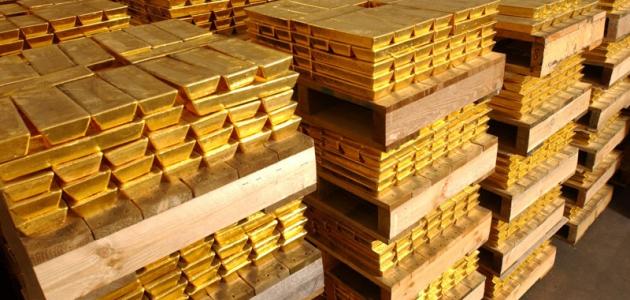
There are various types of gold trade. The first is raw gold trading, which includes gold in its original forms such as ingots or gold coins, excluding jewelry and ornamental pieces. Gold ingots are bought and sold through authorized companies and banks that base their pricing on global market trends and daily rates. These ingots are also available through trusted gold traders who display different weights and varieties at exhibitions. Gold coins are traded through specialized coin dealers—a method considered riskier. Alternatively, gold can be bought or sold through authorized private firms or local gold merchants known for their expertise in handling gold coins. Used gold is typically sold to refiners who melt it to remove impurities and purify it, or it may be assessed with a weight deduction instead of melting. Additionally, gold is separated from other precious stones or any material it may be attached to during processing.