Traveling to Denmark is a wonderful idea; it is one of Europe’s most beautiful and smallest Scandinavian countries, boasting a captivating natural landscape of forests, green spaces, lakes, and coastal beaches, along with colorful historic buildings featuring unique architecture. The country is home to numerous historical sites that highlight its rich heritage, as well as impressive museums, ancient churches, and a cuisine defined by fine dining restaurants offering delicious traditional dishes. In short, there are many enjoyable activities to experience in Denmark, and for more details, continue reading this travel guide from the UAE to discover everything you need to know.
About Tourism in Denmark
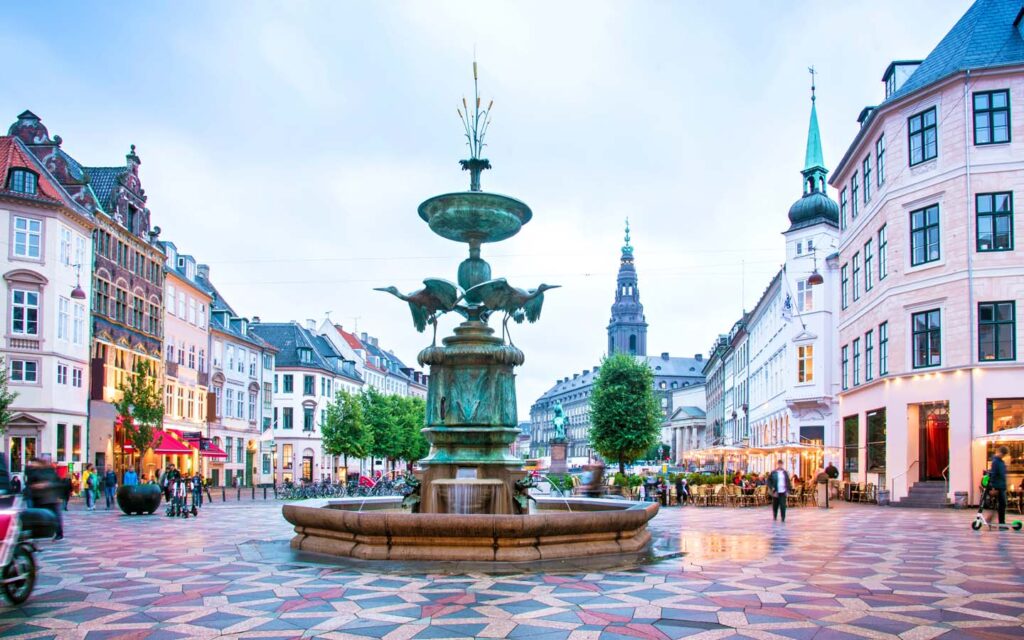
Denmark hosts many remarkable historical sites
Denmark is one of the Scandinavian nations located in northern Europe. Its borders are mostly maritime, with the country facing two seas: the North Sea and the Baltic Sea. The North Sea separates Denmark from the United Kingdom to the west, while waterways between the North Sea and the Baltic Sea form the northern boundary with Sweden and Norway. To the east and west, Denmark shares maritime boundaries through the Skagerrak and Kattegat straits. Its southern border is land-based and shared with Germany.
Denmark is often called the Land of Enchanting Nature, rich in parks filled with trees and vibrant wildflowers, historic landmarks, and a wide array of ancient churches that narrate the nation’s long history.
Copenhagen is the capital of Denmark and one of its most beautiful cities, thanks to its abundance of tourist attractions that draw visitors from around the world. The city is famous for its historic buildings and scenic canals, where traditional boats offer a unique way to explore its charming sights.
The official language of Denmark is Danish, spoken by the majority of the population. English is also widely spoken. The official currency is the Danish krone, with 1 UAE dirham equivalent to approximately 1.92 Danish kroner.
Weather in Denmark
Denmark lies within temperate climate zones. February is the coldest month, with temperatures reaching zero degrees Celsius. Summer is mild, and July is typically the warmest month, with average temperatures around 16 degrees Celsius.
You may wonder when the best time to visit Denmark is? There are various options depending on personal preference—some travelers prefer summer, while others enjoy winter visits. To help you decide, we’ve outlined the ideal travel times throughout the year below.
Winter
Winter spans from November to February and is perfect for those who love snowy landscapes. During this season, Denmark is blanketed in snow, making it an ideal destination for skiing or enjoying festive holiday atmospheres such as Christmas and New Year.
Spring
Spring in Denmark has a special charm. Nature comes alive with blooming wildflowers and trees spreading lush green foliage across vast areas, creating a peaceful and relaxing atmosphere. Spring runs from March to May and offers relatively affordable travel costs.
Summer
Summer is one of the most popular times to travel, as many people take vacations during this period, increasing global travel activity. In Denmark, summer extends from June to August—the peak tourist season across all destinations.
During this time, Danish beaches welcome tourists from around the world to enjoy warm weather, golden sunlight, and up to nearly 20 hours of daylight each day. Additionally, numerous entertainment festivals and events take place, including the renowned Viking Festival, which lasts two weeks from late June to early July each year.
Autumn
Denmark’s autumn scenery is breathtaking, with falling leaves and gentle cool breezes. This season is favored by many who wish to unwind after a productive year. Travel costs during autumn are generally reasonable and accessible for most travelers. Autumn in Denmark runs from September to October.
Travel Visa from the UAE to Denmark
Citizens of the UAE do not require a visa to enter Denmark
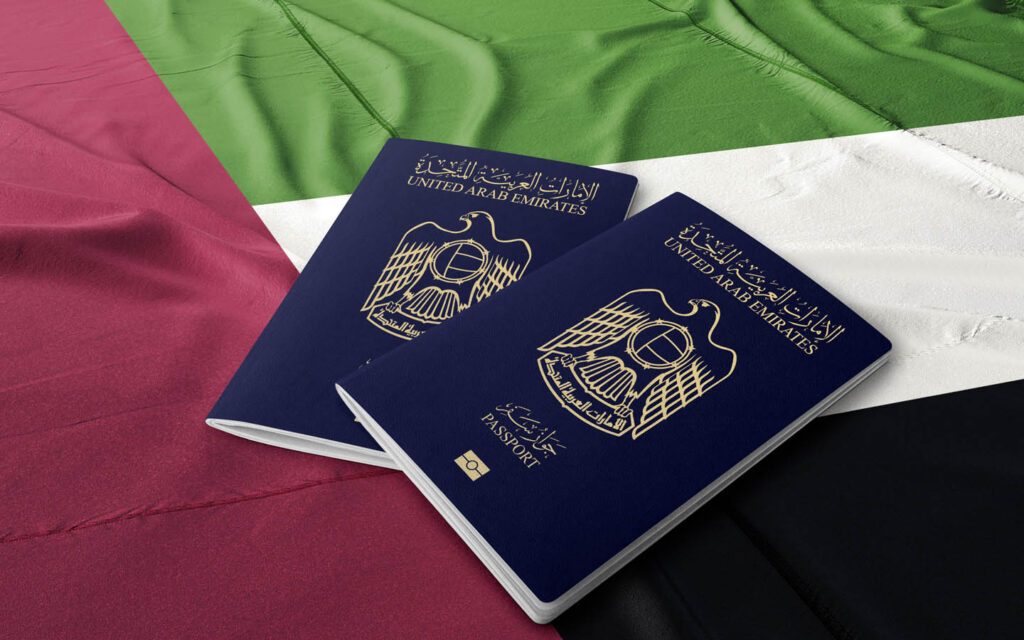
When planning international travel, it’s essential to confirm whether a visa is required. For citizens of the UAE traveling to Denmark, no visa is needed, as Denmark is among the countries where UAE nationals can visit without prior visa approval. You only need to ensure the following:
Your passport is valid for at least six months
Provide a copy of your passport or national ID
Verify all necessary travel documents
Check the validity of your credit cards
Register for the Presence Service
Residents of the UAE must check the requirements for obtaining a Danish visa by contacting the Danish Embassy in Abu Dhabi and inquiring about the steps to obtain a Schengen visa from the UAE to Denmark. You can consult the embassies in Abu Dhabi directory to find contact information for the Danish Embassy.
Travel Costs from the UAE to Denmark
When planning a trip to Denmark, consider the various factors influencing overall expenses, such as travel timing, airline choices, hotel category, number of cities to visit, and length of stay.
To assist with booking details, use one of the flight and hotel booking applications, visit tourism companies in Dubai to check available travel dates and airlines serving Denmark, or visit the official websites of Emirates Airlines or flydubai to review flight schedules.
Transportation and Mobility in Denmark
Denmark offers excellent transportation options, making it easy to move between cities. Key modes include:
Trains
Extensive railway networks and metro tunnels cover large parts of the country. Trains are a popular choice among locals and tourists alike due to their punctual and well-organized schedules.
Water Ferries
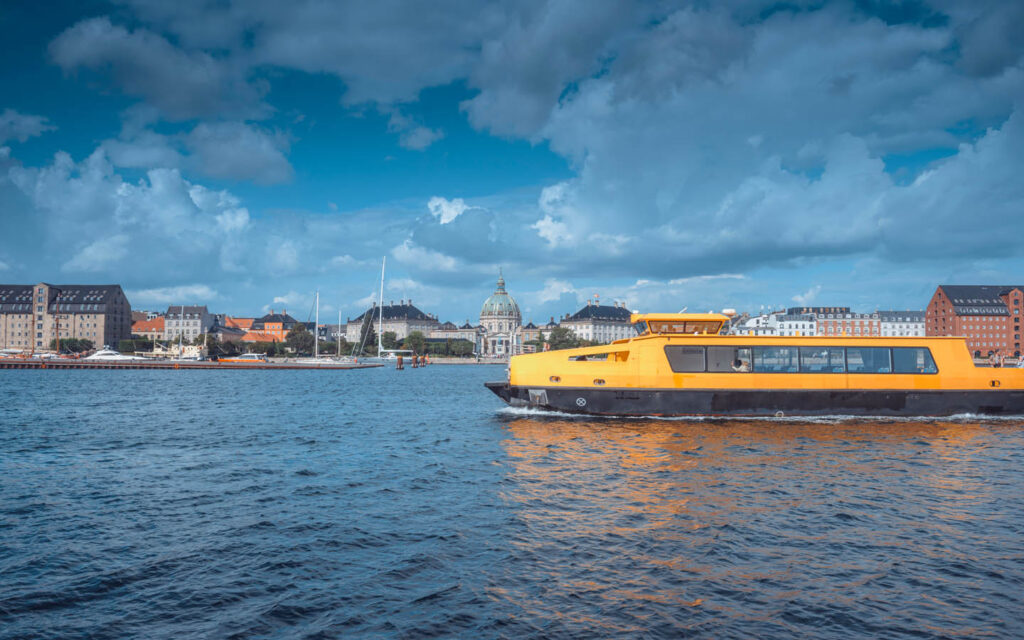
Water ferries in Denmark are a distinctive and popular mode of transport among many tourists
Water ferries or water taxis are among the most scenic ways to travel, especially for tourists. These vessels allow you to journey between Danish islands, marveling at sparkling waters illuminated by golden sunlight, as if stepping into a living artwork. As you glide through the channels, you’ll be surrounded by city landmarks on all sides—so don’t forget to charge your camera for capturing unique souvenirs.
Buses
Buses are another affordable option, with multiple companies operating within cities and connecting major urban centers through scheduled routes.
Bicycles
For adventurous travelers seeking unique experiences, cycling is a favorite pastime. It promotes fitness and health while allowing you to explore stunning tourist attractions at your own pace.
Taxis
Taxis are a standard form of transportation worldwide and provide convenient, comfortable access to your desired destinations.
Subscribe to
List of Top Tourist Cities in Denmark
Several cities in Denmark boast exceptional attractions worth visiting. Below, we highlight the most notable ones to help you plan your trip:
Copenhagen
Copenhagen, the capital, is home to royal palaces and unique landmarks. While staying here, be sure to visit Tivoli Gardens, which offers a variety of recreational activities such as horseback riding, live performances, and fun rides.
Additionally, visit Rosenborg Castle and explore the Royal Jewelry Museum and royal artifacts. Don’t miss Christianborg Palace, famed for its striking architecture, and tour its grand reception halls and parliamentary chamber.
Another must-see is Nyhavn district, one of Copenhagen’s most iconic neighborhoods. Its colorful buildings line the waterfront canal, adorned with historic wooden ships, making it a top attraction for visitors.
Aarhus
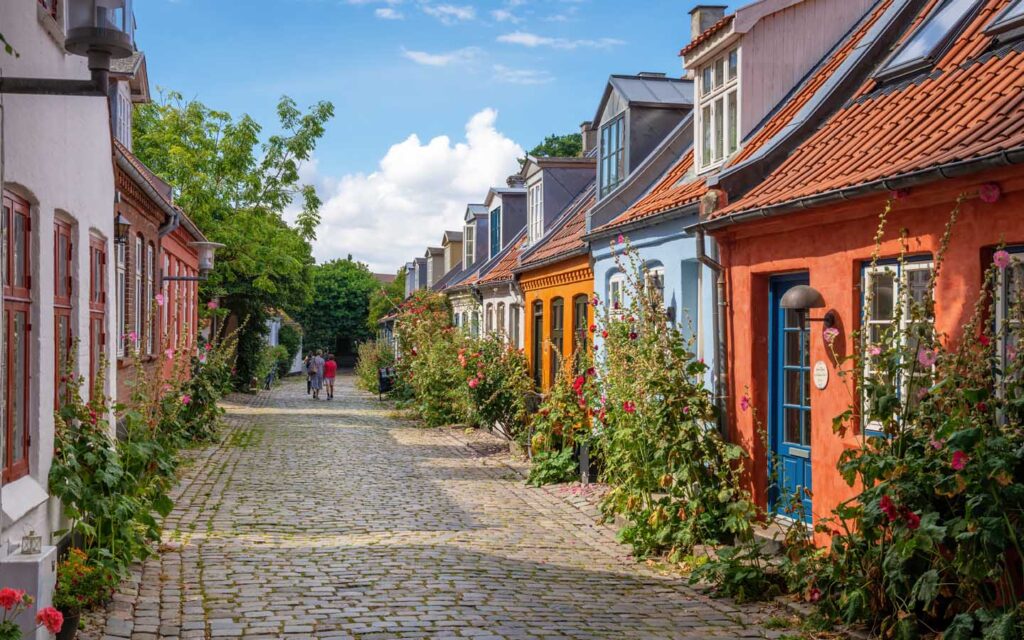
One of the districts in the city of Aarhus, Denmark
Aarhus is a cultural hub and one of Denmark’s most prominent tourist cities. It features abundant attractions, particularly architectural, artistic, and cultural gems. Museums reflect the nation’s heritage, including the Aarhus Art Museum—one of the most visited art museums in Scandinavia.
Also worth visiting is Den Gamle By, the world’s first open-air museum, which showcases Denmark’s urban history and culture over three centuries through more than 75 restored historic homes brought from across the country. Don’t miss the parks and natural scenery, along with other attractions in this vibrant city.
Skaane
Skaane is one of Denmark’s most beautiful coastal cities in the north, known for its stunning sandy beaches stretching along the coast. This destination attracts many visitors, and the city offers luxurious seafood restaurants serving fresh local catches.
Roskilde
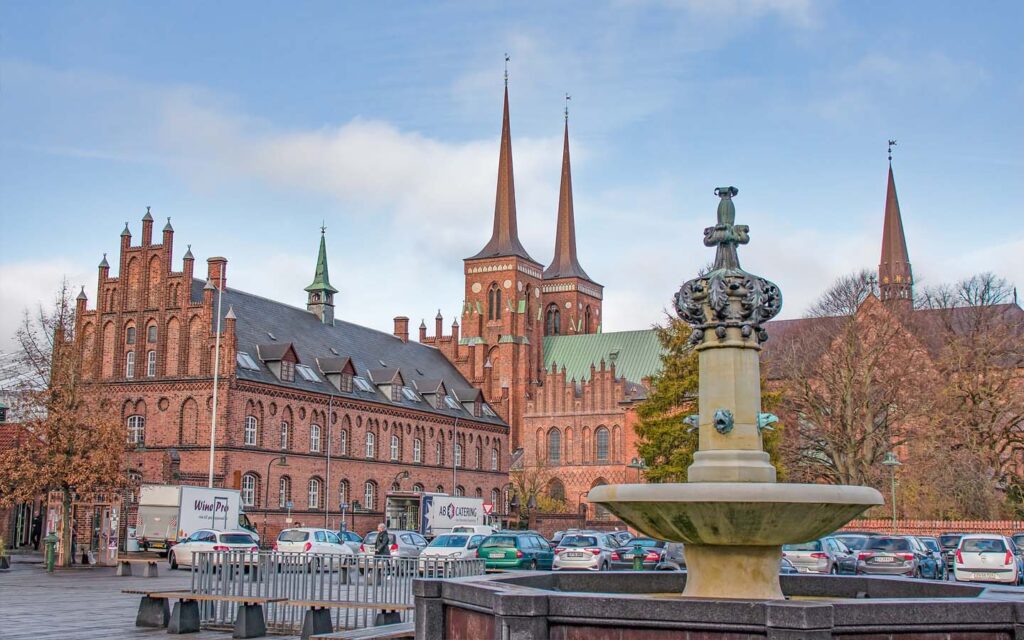
Historical landmarks in the city of Roskilde
Located west of Copenhagen, Roskilde is a lively and historically rich city, drawing tourists interested in exploring diverse cultures worldwide.
The city offers a variety of museums and exhibitions showcasing Danish history, people, and traditions, alongside majestic castles and churches with impressive architecture. Local and international restaurants serve authentic Danish cuisine with distinct flavors.
Its natural beauty is equally striking, featuring towering hills, expansive green spaces, and public gardens. Notably, Roskilde hosts the largest music festival in Europe annually—a famous rock festival.
Alborg
The final city on our list, Alborg, is located in northern Denmark and ranks among the country’s most vibrant cities, being the fourth most populous after Copenhagen, Aarhus, and Odense.
It is renowned for its scenic coastline, attracting many tourists. The city also boasts numerous landmarks, including churches, museums, exhibitions, and historic castles representing different historical periods.
Alborg also features some of the finest restaurants, entertainment centers, and shopping areas catering to all tastes. Moreover, a range of international hotels and resorts ensures high-quality services for guests.
Top Hotels in Denmark
Choosing a suitable accommodation is crucial when planning your trip. Denmark offers diverse hotel options. Below are some recommended hotels across key cities:
Hotels in Copenhagen
Clarion Hotel Copenhagen Airport
Marriott Copenhagen
Copenhagen Admiral Hotel
Hotels in Aarhus
Hilton Marcelis
Hotel Ritz Aarhus City
Horizon Conference Center & Hotel
Hotels in Alborg
First Hotel Alborg
Scandic Alborg
Comwell Hvide Hus
Travel Tips Before Visiting Denmark
Before your journey, keep these tips in mind:
Denmark is famous for its meat dishes, especially seafood
Bicycles are widely available due to the flat terrain, making cycling convenient
Prices in Denmark are relatively high, so it’s wise to prepare financially
Hot dogs (smørrebrød) are a popular street food and commonly found on city streets
Frequently Asked Questions
How far is Copenhagen from Dubai?
Copenhagen is approximately 5 hours and 40 minutes away from Dubai.
What is the official language of Denmark?
Danish is the official language, and English is widely spoken.
What is the currency of Denmark?
The Danish krone is the official currency.
What is the airport code for Copenhagen?
The airport code for Copenhagen is CPH.
Which are the best cities in Denmark?
The top cities in Denmark are Copenhagen, Aarhus, Skaane, and Alborg.
This concludes our comprehensive guide to tourism in Denmark, covering all essential information you might need. For more insights, follow My Bayt, the leading Arabic-language real estate and social blog in the UAE, to stay updated. Explore our guides on travel from the UAE to Italy and travel from the UAE to Budapest. If you have any questions or feedback, please reach out via the comment section below.