Updated 11:43 AM,Sep 19,2021
Home Remedies for Relieving Neck Herniated Disc Pain
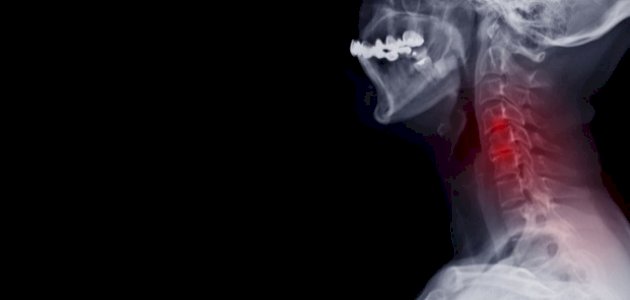
A cervical herniated disc occurs when the intervertebral disc between vertebrae ruptures, causing pressure on the spinal cord and resulting in severe pain. Most cases do not require medical treatment, as symptoms typically resolve within six weeks of onset.[1] Home-based treatments can significantly reduce discomfort associated with a herniated disc.[2]
Among the most effective home measures are:
Applying Cold or Warm Compresses
Using cold or warm compresses on the neck can help relieve pain and reduce inflammation. Key guidelines for safe application include:[3]
- Apply the compress to the neck for 15–20 minutes.
- Avoid placing ice directly on the skin to prevent adverse effects.
- Repeat compress applications every two hours.
Avoiding Prolonged Bed Rest
Rest helps reduce swelling from injury, but extended bed rest may increase the risk of joint and muscle stiffness. Therefore, it is advisable to avoid long periods in bed,[4] as improper sleeping posture can worsen pain. Recommended sleeping positions include:[5]
- Sleeping on your back: This position supports proper head alignment and neck posture, making it the optimal choice for individuals with a herniated cervical disc.
- Side sleeping with a U-shaped pillow: Use a U-shaped neck pillow combined with a small cushion under the lower back instead of a standard pillow. This position is beneficial for those experiencing neck and back pain.
Performing Activities Slowly and Gently
Limit strenuous activities that aggravate neck pain. Follow these recommendations:[6]
- Move your body slowly and deliberately, especially when lifting objects or bending forward. Avoid movements that trigger pain.[6]
- Exercise caution when lifting heavy items from the floor—avoid bending at the waist. Instead, use a squatting technique by bending your knees.[4]
- Avoid intense physical activities such as sports or labor-intensive tasks.[3]
- Refrain from movements that worsen pain, such as twisting the head sharply to one side.[3]
- Maintain upright sitting and standing posture. If you must stand for long durations, place one foot on a chair to reduce strain on the lower back.[4]
Medication Therapy
Medications aim to relieve pain, reduce swelling, and ease muscle spasms in the neck.[7] The following medications are commonly used:
Pain Relievers
Key pain relievers include:
Over-the-Counter Pain Relievers
These help manage mild to moderate pain[6] by inhibiting prostaglandin production—the substance responsible for pain signals—thereby reducing both pain and inflammation.[8] Examples include:
- Acetaminophen (also known as paracetamol).[6]
- Nonsteroidal anti-inflammatory drugs (NSAIDs), such as ibuprofen, naproxen, and aspirin.[6] Consult a doctor if use exceeds 10 days.[4]
Prescription Pain Relievers
If over-the-counter options prove ineffective, doctors may prescribe opioid medications, which reduce pain by blocking multiple neurotransmitters in the brain.[10] However, they may cause side effects such as nausea, constipation, and addiction. Abrupt discontinuation can lead to withdrawal symptoms,[11] so they are prescribed for very short durations.[6] Common examples include:[4]
- Codeine.
- Oxycodone-acetaminophen combination.
Steroid Pills or Injections
Steroids suppress the immune system’s response, thereby reducing inflammatory and allergic reactions caused by the immune system.[12] They decrease inflammation near the herniated disc and alleviate nerve pressure. These medications are only available by prescription.[9] Available forms include:
- Pills: Taken orally for about 7 to 10 days.[9]
- Injections: Administered around the affected nerve, often guided by imaging to ensure accurate placement. Multiple injections may be needed. Doctors typically resort to injections only after other treatments fail to relieve pain.[4] Examples include:[13]
- Triamcinolone.
- Methylprednisolone.
- Dexamethasone.
Side effects vary based on type, dosage, and duration of use and may include:[14]
- Increased appetite and weight gain.
- Excessive body hair growth.
- Easy bruising.
- Reduced resistance to infections.
- Acne.
- Osteoporosis.
- Development or worsening of diabetes.
- Elevated or worsening blood pressure.
- Fluid retention and body swelling.
Muscle Relaxants
These are prescribed to relieve muscle spasms associated with a herniated disc in certain cases, but should only be used for one to two weeks.[9]
Physical Therapy
Physical therapy helps reduce pain and improves flexibility in the cervical spine.[15] It includes various exercises and techniques such as:[4]
- Massage or manual therapy targeting the affected area.
- Stretching exercises.
- Aerobic activities like walking or using a stationary bike.
- Ultrasound therapy.
- Electrical muscle stimulation.
Surgery
Surgery is considered a last resort when other treatments fail to relieve pain, particularly in the following situations:[4]
- Worsening symptoms.
- Inability to stand or walk.
- Loss of control over bladder or bowel functions.
Surgical procedures include:[4]
Disc Removal
This procedure involves removing the damaged disc to relieve pressure on nerves. It can be performed in two ways:[4]
- Open discectomy: A surgical incision is made in the neck to access and remove the disc.
- Microdiscectomy: A small incision is made, and a thin tube with a camera is inserted to visualize and remove the damaged disc.
Spinal Fusion
After disc removal, spinal fusion may be performed to stabilize the spine by joining two vertebrae together, helping to reduce pain.[4]
Artificial Cervical Disc Replacement
In some cases, the damaged disc may be replaced with an artificial one (artificial disk surgery). The faulty disc is removed and replaced with a synthetic disc made of plastic or metal.[4]
Alternative Therapies
Alternative therapies should not be relied upon as primary treatment—they do not replace conventional medical care. Common approaches include:
Massage
Massage increases blood flow to the affected area and promotes muscle relaxation, potentially easing pain. Stop massage immediately if pain intensifies.[3]
Acupuncture
Acupuncture involves inserting fine needles into specific points along neural pathways affected by the herniated disc. This enhances blood circulation and stimulates the release of endorphins—natural pain relievers.[9]
Transcutaneous Electrical Nerve Stimulation (TENS)
TENS delivers electrical impulses through electrodes placed on the skin over the painful area, stimulating sensory nerves and potentially reducing pain perception.[16]
Article Summary
A cervical herniated disc results from rupture of the intervertebral disc, but most cases do not require medical intervention. Adequate rest and appropriate home care are usually sufficient for recovery. However, some cases may necessitate medical treatment, including medication or surgery, depending on the physician’s evaluation.
References
- ↑ "Herniated cervical disc", mayfieldclinic, Retrieved 9/9/2021. Edited.
- ↑ "Top Three Best Methods for Cervical Herniated Disc Treatment in NYC", rothmanortho, Retrieved 13/9/2021. Edited.
- ^ أ ب ت ث Richard Staehler, MD (18/7/2019), "Conservative Treatment for a Cervical Herniated Disc", spine-health, Retrieved 9/9/2021. Edited.
- ^ أ ب ت ث ج ح خ د ذ ر ز س Carol DerSarkissian, MD (20/1/2021), "What are the Treatments for a Herniated Disk?", webmd, Retrieved 9/9/2021. Edited.
- ↑ "How to Sleep with Cervical Radiculopathy", ioaregenerative, Retrieved 13/9/2021. Edited.
- ^ أ ب ت ث ج ح "Herniated disk", mayoclinic, Retrieved 9/9/2021. Edited.
- ↑ Vincent C. Traynelis, MD (2/10/2020), "Cervical Herniated Disc or Ruptured Disc", spineuniverse, Retrieved 9/9/2021. Edited.
- ↑ "Mechanism of Action of Nonsteroidal Anti-Inflammatory Drugs", intechopen, Retrieved 13/9/2021. Edited.
- ^ أ ب ت ث ج "Nonsurgical Treatments for Herniated Disc", nyulangone, Retrieved 9/9/2021. Edited.
- ↑ "Opioids - mechanisms of action", nps, Retrieved 13/9/2021. Edited.
- ↑ "Oxycodone Tablet, Oral ONLY", webmd, Retrieved 9/9/2021. Edited.
- ↑ Dennis M Williams (1/6/2018), "Clinical Pharmacology of Corticosteroids", Respiratory Care, Issue 6, Folder 63, Page 655-670. Edited.
- ↑ "Epidural steroid injection", mayfieldclinic, 1/7/2018, Retrieved 14/9/2021. Edited.
- ↑ "Corticosteroids", clevelandclinic, Retrieved 9/9/2021. Edited.
- ↑ Amanda Barrell (11/3/2021), "Safe exercises for a herniated disk", medicalnewstoday, Retrieved 14/9/2021. Edited.
- ↑ John Revord, MD (21/4/2017), "Transcutaneous Electrical Nerve Stimulators (TENS)", spine-health, Retrieved 14/9/2021. Edited.