Updated 06:10 AM,Oct 25,2016
Oman's Dhofar Governorate
Dhofar Governorate, also known as the Land of Frankincense, is an Omani administrative region that covers roughly one-third of the Sultanate of Oman. Located in the southern part of the country, it borders Al-Wusta Governorate to the east, the Republic of Yemen to the southwest, and opens toward the Arabian Sea to the south. To the north, it faces the Rub' al Khali desert. The region holds historical significance due to its long-standing role in exporting frankincense to ancient civilizations such as the Egyptians, Assyrians, Persians, Romans, and Greeks.
Topography of Dhofar Governorate
The governorate is divided into three main climatic zones. The first is the coastal plain, spanning approximately 260 square kilometers, a fertile coastal area rich in high-quality freshwater resources. The second zone is the Dhofar Mountains, which are significantly influenced by seasonal monsoon winds. The third zone is the arid desert region, characterized by dry conditions and low rainfall.
Climate of Dhofar Governorate
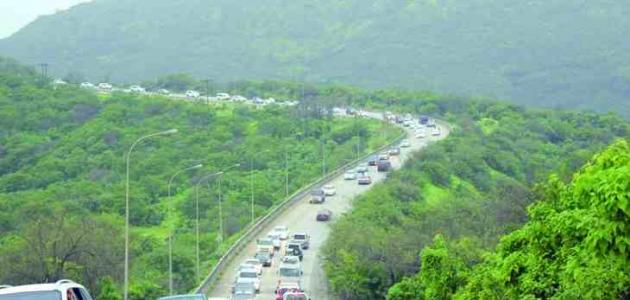
The climate remains mild throughout the year, although it is notably affected by seasonal monsoon winds originating from the Indian Ocean. During the autumn months, heavy seasonal rains accompany dense clouds and fog, particularly over the mountains. Temperatures reach their lowest point in winter, dropping to around 15 degrees Celsius.
Languages and Dialects of Dhofar's Population
Arabic is the official language across the country, widely spoken by residents of Dhofar. In addition, several other languages are used locally. Shihhi Arabic, an ancient dialect spoken in the mountainous areas of Dhofar, is still in use. Mehri, another regional language, is prevalent in the desert regions. Some coastal communities in the eastern and northern areas speak variants derived from Shihhi and Mehri, such as Baiti and Harsusi dialects.
Tourism in Dhofar Governorate
Visitors and Gulf tourists frequently travel to Dhofar in July, the hottest month of the year—yet paradoxically, this period marks the region’s most beautiful season. Greenery blankets much of the landscape, while mist envelops the highlands. Light drizzle softens the air, creating a refreshing atmosphere. The region is renowned for its natural springs, wadis, religious sites, gardens, nature parks, tombs, shrines—including the tombs of Prophet Job and Prophet Umaran—and scenic rest areas and caves. Notably, the Marneif Cave and the recently discovered Taiq Cave, among the largest caves in the world, attract explorers and nature enthusiasts alike.