
Browse





···
Log in / Register

 6
6 Favourites
 Share
Share 8CCC+9XH - Industrial Area 6 - Industrial Area - Sharjah - United Arab Emirates
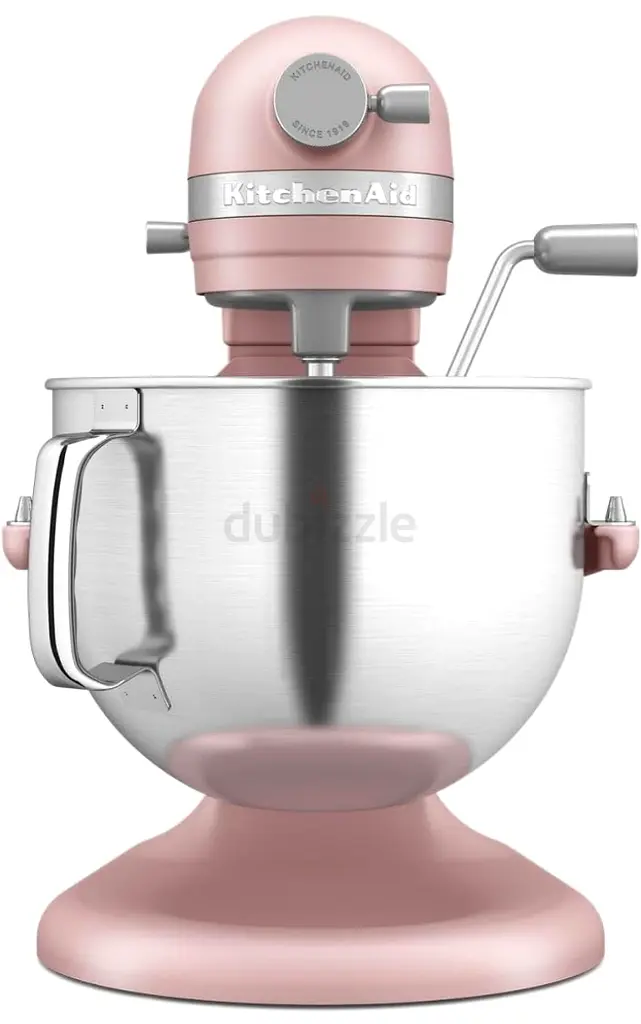
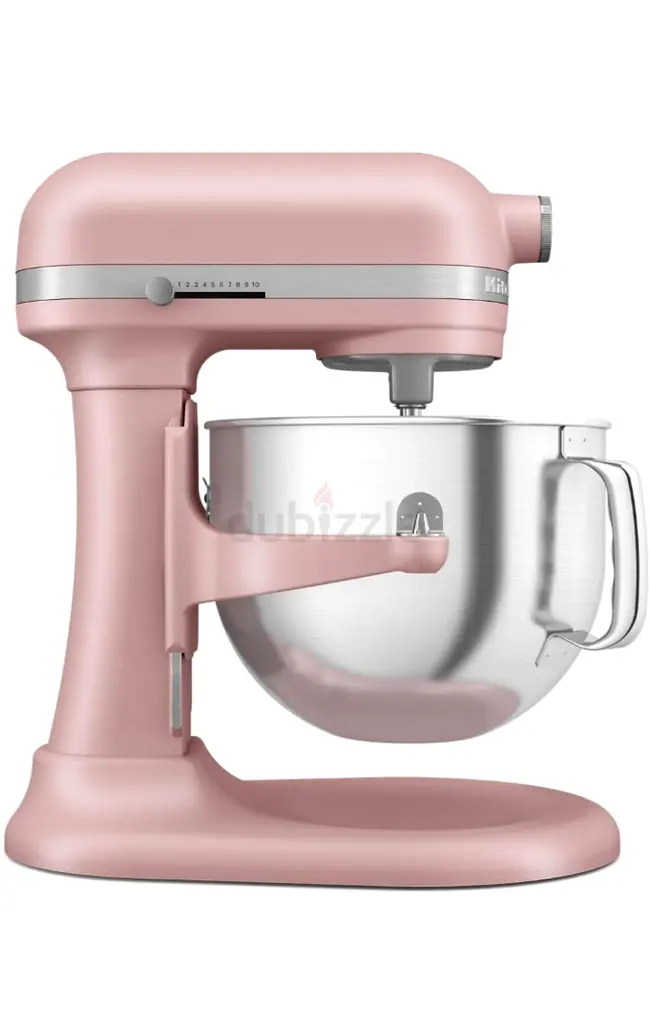
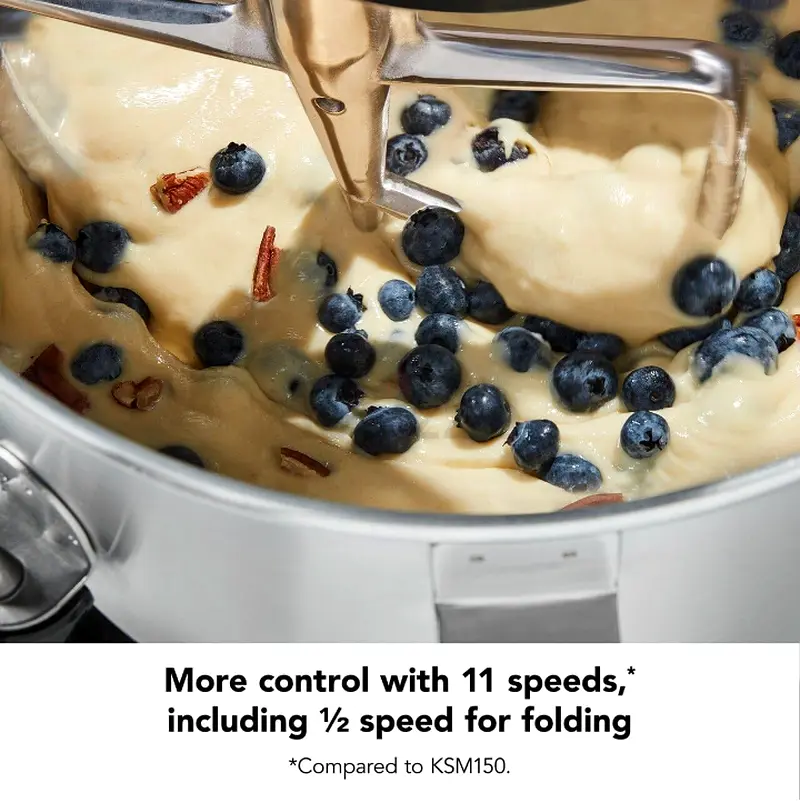
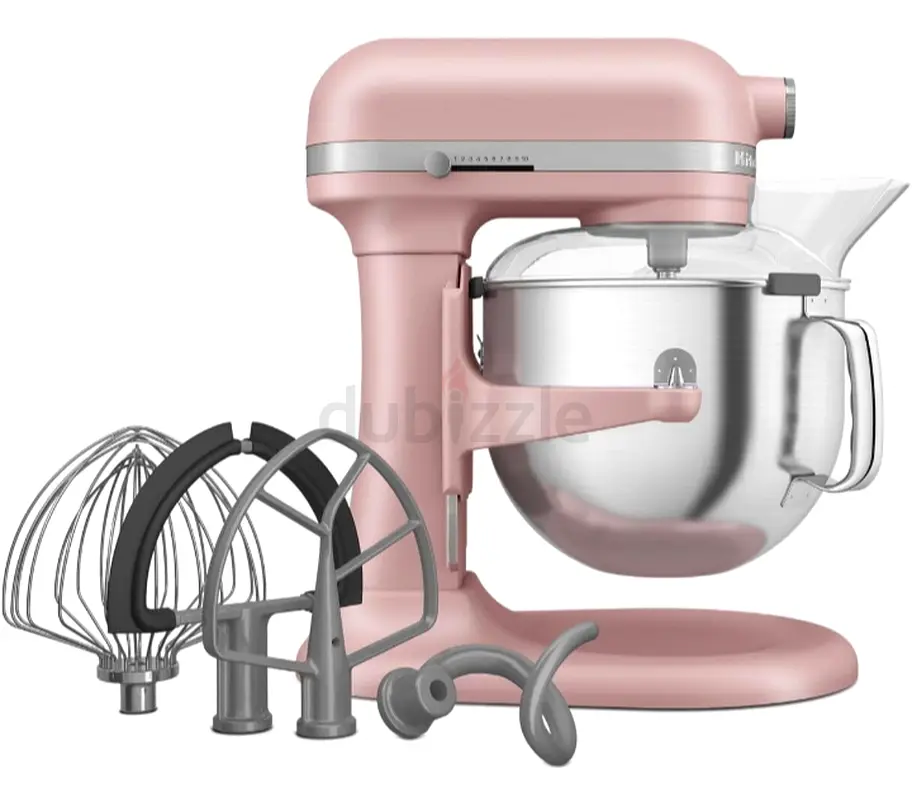
**The KitchenAid Stand Mixer: A Comprehensive Exploration of Design, Functionality, and Culinary Legacy** The KitchenAid stand mixer is not merely a kitchen appliance; it is a cultural icon, a symbol of culinary craftsmanship, and a testament to engineering excellence. Since its debut in the early 20th century, this countertop powerhouse has evolved into an indispensable tool for home bakers, professional chefs, and everyone in between. This detailed exploration delves into every facet of the KitchenAid stand mixer, from its historical roots to its technical specifications, design philosophy, attachments, maintenance, and its enduring impact on modern cooking. --- ### **1. Historical Evolution: From Humble Beginnings to Culinary Stardom** #### **1.1 The Birth of a Legend** The story of the KitchenAid stand mixer begins in 1919, when the Hobart Manufacturing Company, known for commercial-grade kitchen equipment, sought to bring industrial efficiency into home kitchens. Engineer Herbert Johnson drew inspiration from observing bakers mix dough with spoons, envisioning a motorized alternative. The result was the Model H-5, a 60-pound behemoth initially marketed to professional bakeries. By the 1930s, Hobart recognized the potential of home kitchens and rebranded its consumer division as “KitchenAid.” The name, inspired by customer testimonials declaring the mixer a “kitchen aid,” became synonymous with quality and innovation. #### **1.2 Design Milestones** - **1937**: The iconic K-45 model debuted, featuring a tilt-head design and a streamlined aesthetic. Its durability and versatility made it a hit among households. - **1955**: The introduction of the “Planetary Mixing Action” revolutionized mixing efficiency. Unlike stationary beaters, the planetary mechanism rotated the attachment while orbiting the bowl, ensuring even consistency. - **1970s–1980s**: KitchenAid expanded its color palette, moving beyond white to include vibrant hues like “Empire Red” and “Sunset Orange,” transforming the mixer into a statement piece. - **21st Century**: Modern iterations include advanced features like digital controls, touchscreens, and compatibility with smart home systems. --- ### **2. Anatomy of a KitchenAid Stand Mixer: Components and Engineering** #### **2.1 Core Structure** - **Motor**: The heart of the mixer, ranging from 250 to 1.3 horsepower (HP) in commercial models. The motor’s copper-wound core ensures longevity and consistent power delivery. - **Housing**: Durable metals (e.g., die-cast zinc) or polycarbonate materials shield internal components while offering a sleek finish. - **Speed Settings**: Most models feature 10-speed settings, controlled via a rotary dial or digital interface. Lower speeds (1–2) knead dough, while higher speeds (8–10) whip cream or egg whites. #### **2.2 Mixing Mechanism** - **Planetary Action**: A beater attachment rotates on its axis while simultaneously moving around the bowl, scraping ingredients from the sides for uniform mixing. - **Bowl Design**: Stainless steel or glass bowls (ranging from 3 to 8 quarts) resist corrosion and withstand high-speed mixing. The bowl locks into the base via a latch system to prevent slippage. #### **2.3 Attachments and Accessories** KitchenAid’s modular design allows users to customize their mixer with over 15 specialized attachments: - **Flat Beater**: Ideal for creaming butter and sugar or mixing batters. - **Wire Whip**: Incorporates air into mixtures for fluffy meringues or whipped cream. - **Dough Hook**: A spiral-shaped hook designed to knead bread or pizza dough without overheating the motor. - **Pouring Shield**: Prevents splattering during liquid incorporation. - **Optional Attachments**: - **Pasta Roller/Cutter**: Rolls dough into sheets for lasagna or cuts it into fettuccine. - **Food Grinder**: Processes meats, vegetables, or nuts. - **Ice Cream Maker**: Churns frozen desserts in 20–30 minutes. - **Spiralizer**: Creates vegetable noodles (zoodles) for low-carb dishes. --- ### **3. Technical Specifications: Power, Capacity, and Performance** #### **3.1 Motor Power and Efficiency** - **Artisan Series (325W)**: Suited for light to medium tasks like cookies or cake batters. - **Professional HD Series (450W)**: Handles dense doughs (e.g., whole-grain bread) with ease. - **Commercial Series (1.3HP)**: Built for prolonged use in bakeries or restaurants. #### **3.2 Bowl Capacity and Material** - **4.5–5 Quart**: Compact size for small batches (e.g., frosting, single-loaf bread). - **6–7 Quart**: Mid-range capacity for family-sized recipes. - **8+ Quart**: Industrial-grade volume for large gatherings or meal prep. #### **3.3 Noise and Heat Management** Advanced models include noise-dampening technology and thermal protection systems to prevent motor burnout during extended use. --- ### **4. Design Philosophy: Blending Form and Function** KitchenAid mixers marry aesthetic appeal with practicality: - **Ergonomic Design**: Tilt-head models (e.g., Artisan) allow easy access to the bowl, while bowl-lift models (e.g., Professional HD) offer stability for heavy doughs. - **Color Customization**: Over 50 finishes, from classic “Almond Cream” to limited-edition metallics, let users personalize their kitchen decor. - **Space Efficiency**: Despite their robustness, mixers feature a compact footprint, often fitting under standard cabinets. --- ### **5. Versatility in the Modern Kitchen: Beyond Baking** The mixer’s adaptability extends to savory dishes, beverages, and DIY projects: - **Meat Preparation**: Grind meat for burgers or stuff sausages using the food grinder. - **Homemade Pasta**: Roll and cut fresh pasta sheets in minutes. - **Crafting Cocktails**: Use the paddle attachment to muddle fruits for cocktails or mix large batches of punch. - **Household Uses**: Shred chicken, mix pet food, or even churn homemade soap. --- ### **6. Maintenance and Longevity: Ensuring Decades of Service** #### **6.1 Cleaning and Care** - **Exterior**: Wipe with a damp cloth; avoid abrasive cleaners. - **Attachments**: Dishwasher-safe parts simplify cleanup. - **Lubrication**: Periodically grease the gears with food-grade lubricant (refer to the manual). #### **6.2 Troubleshooting Common Issues** - **Motor Overheating**: Allow the mixer to cool; avoid overloading. - **Uneven Mixing**: Ensure the bowl is properly locked and attachments are securely fastened. --- ### **7. Cultural Impact: From Home Kitchens to Pop Culture** - **Television and Film**: The mixer’s retro charm has made it a staple in cooking shows and films like *Julie & Julia*. - **Wedding Registries**: A KitchenAid mixer remains a top-registered item, symbolizing domestic sophistication. - **Collector’s Appeal**: Vintage models, especially rare colors, fetch high prices at auctions. --- ### **8. Comparing Models: Which KitchenAid is Right for You?** - **Artisan Series (5 Qt)**: Best for casual bakers seeking style and versatility. - **Professional HD (6 Qt)**: Ideal for serious home chefs tackling heavy doughs. - **Commercial (8 Qt)**: Built for small businesses or large families. --- ### **9. Sustainability and Ethical Considerations** - **Durability**: Built to last decades,
 Show map